Custom Search
Showing posts with label dabbling ducks. Show all posts

Thursday, January 1, 2015

The Elegant, Dapper Northern Pintail

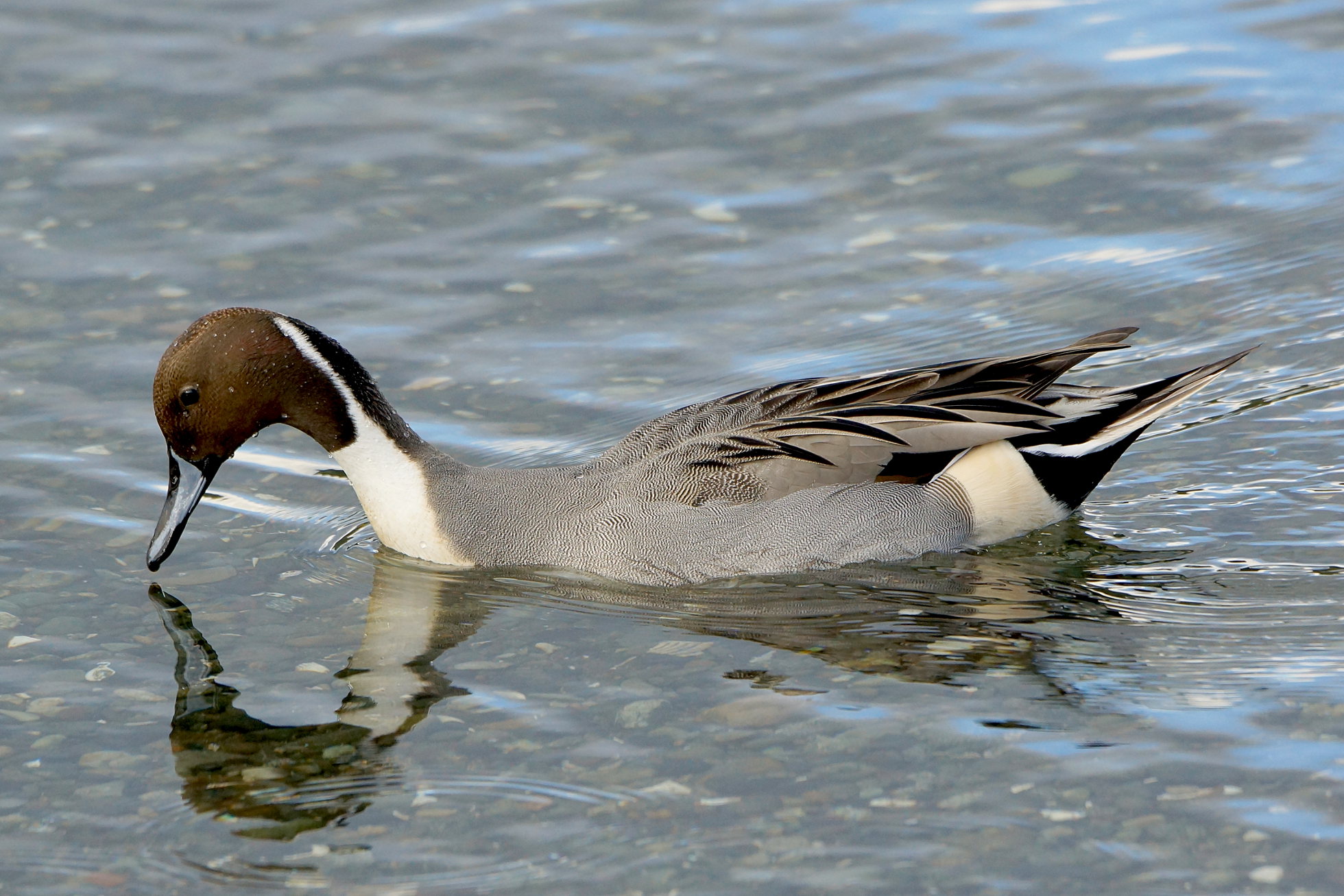
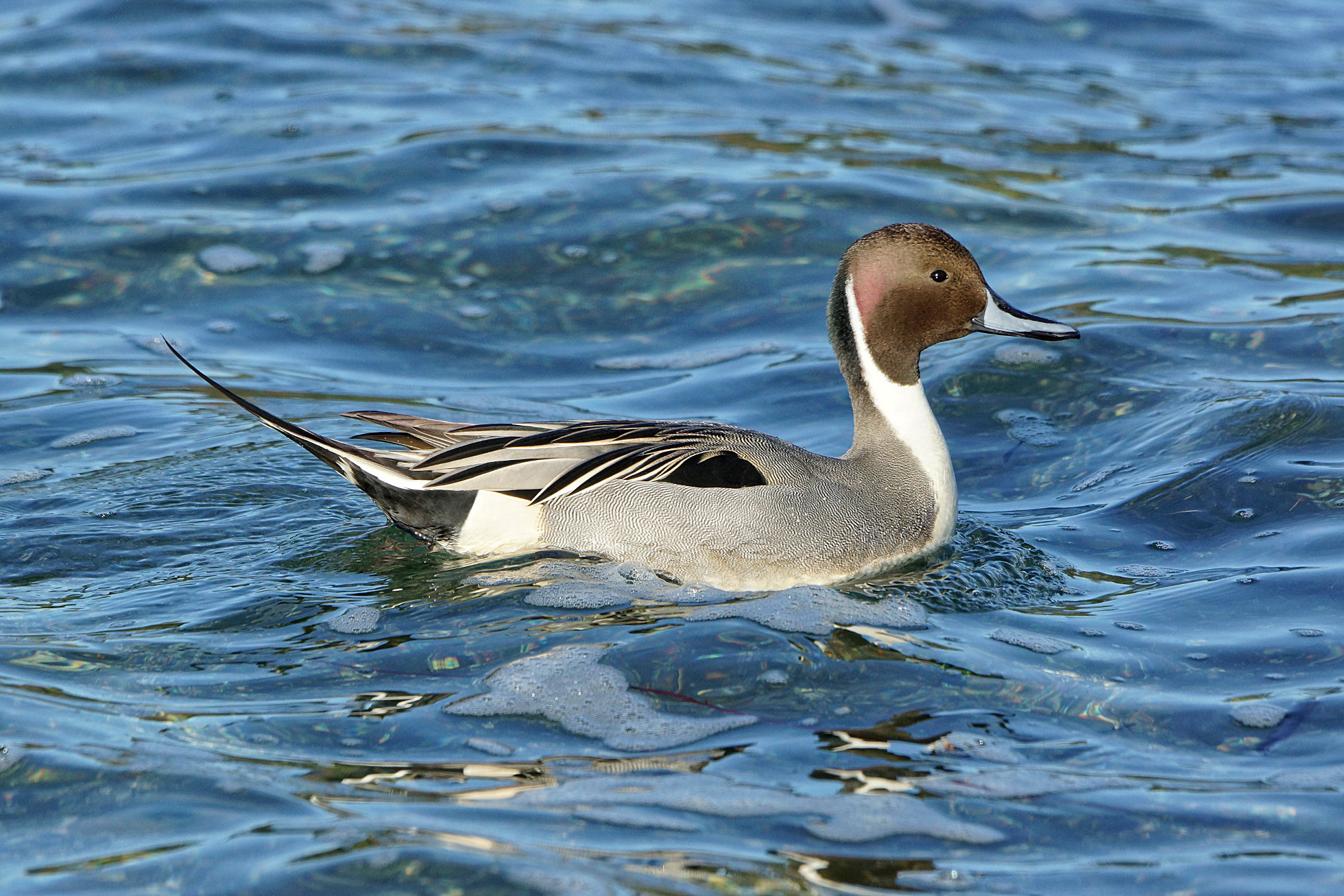
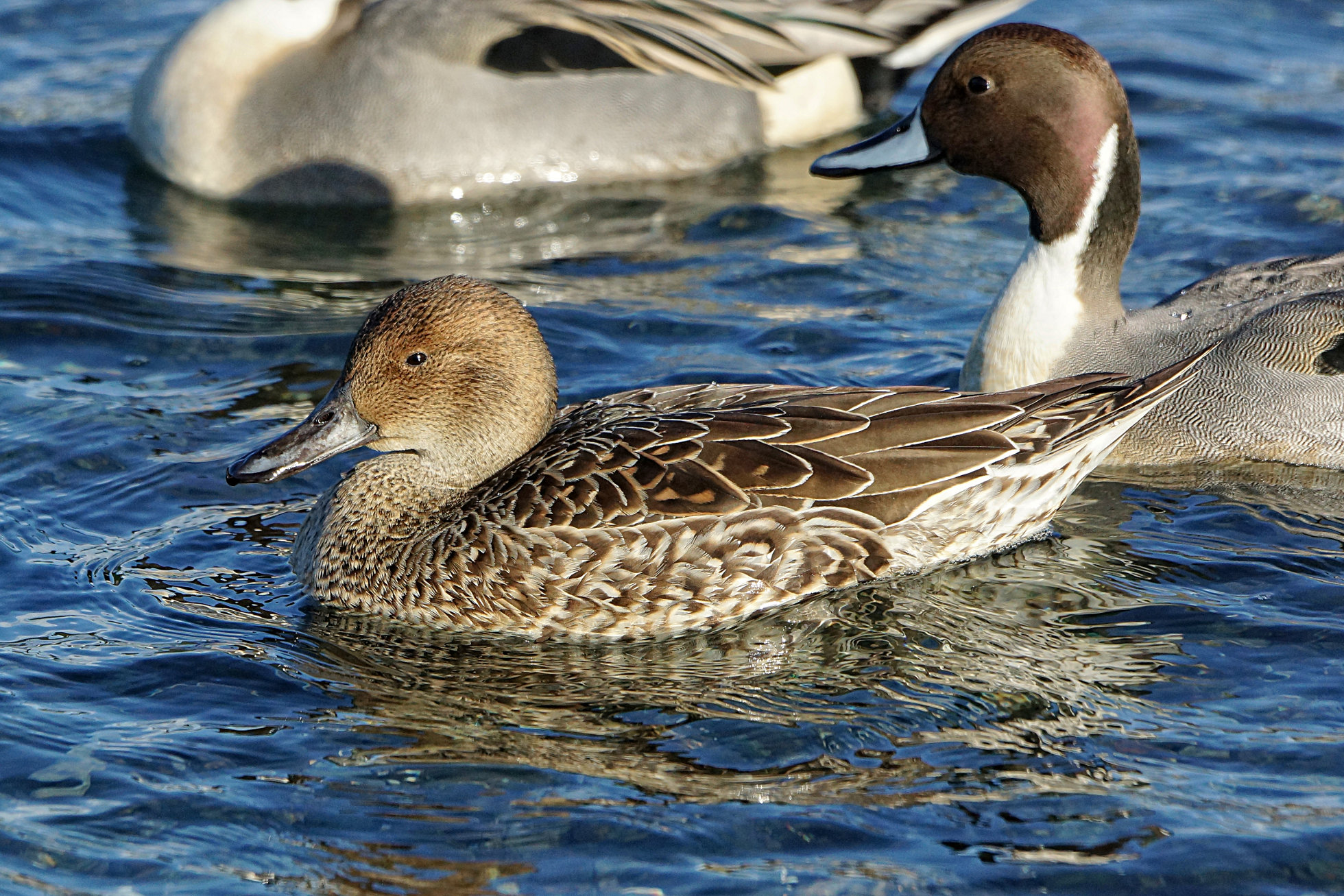
I can't think of a better photo to start the New Year with than this neatly attired, spotless and immaculately groomed Northern Pintail Duck as seen recently on the clear blue waters of Esquimalt Lagoon. Below is his mate, more demure but equally attractive.

Thursday, December 18, 2014

Goodacre Lake 4 - Dabblers

Goodacre Lake has a large resident population of dabbling ducks, mostly American Widgeons and Mallards. Many people like to visit the park and feed the ducks, a popular activity with kids, The ducks like it too.

Thursday, January 23, 2014

Awkward Adolescent

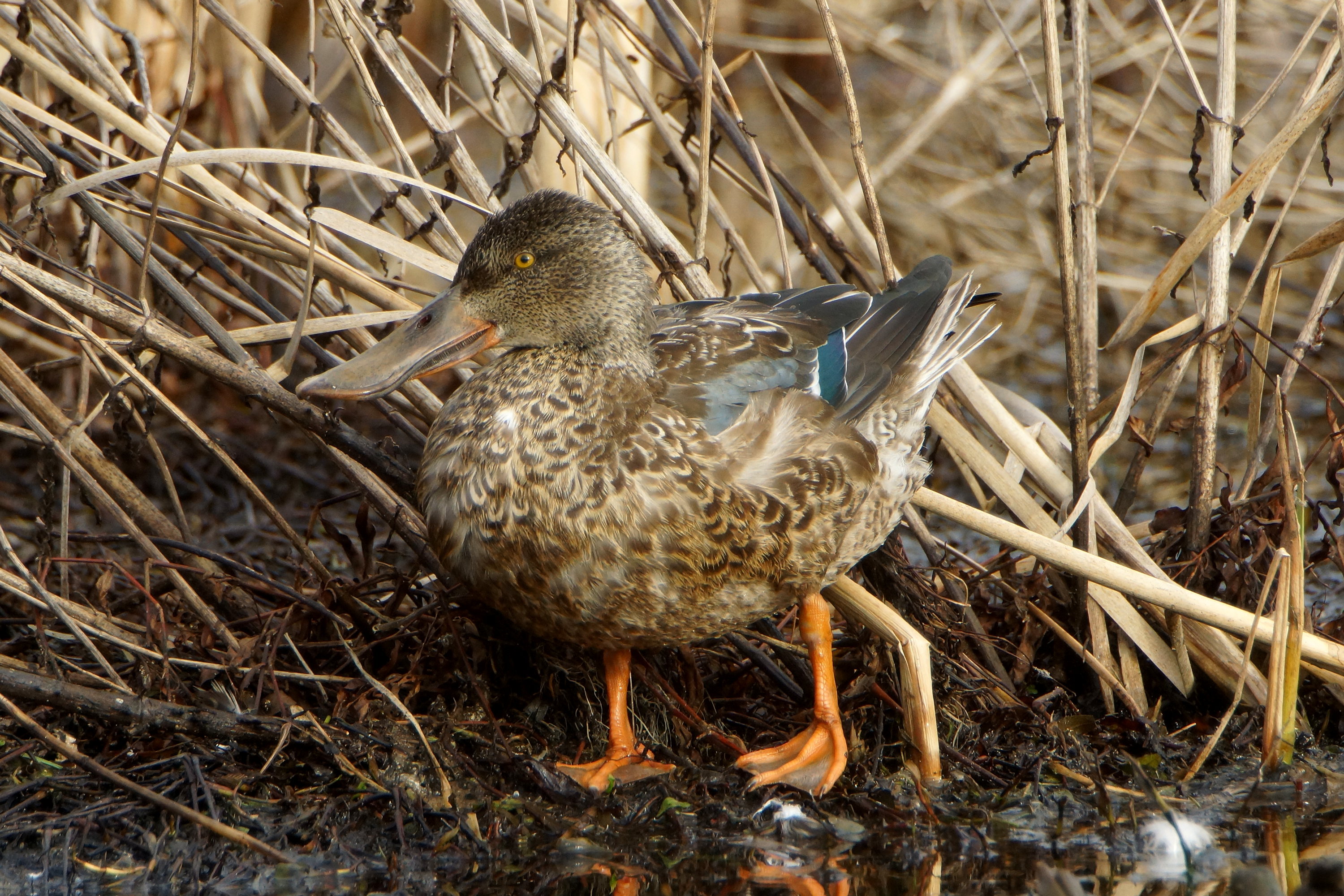
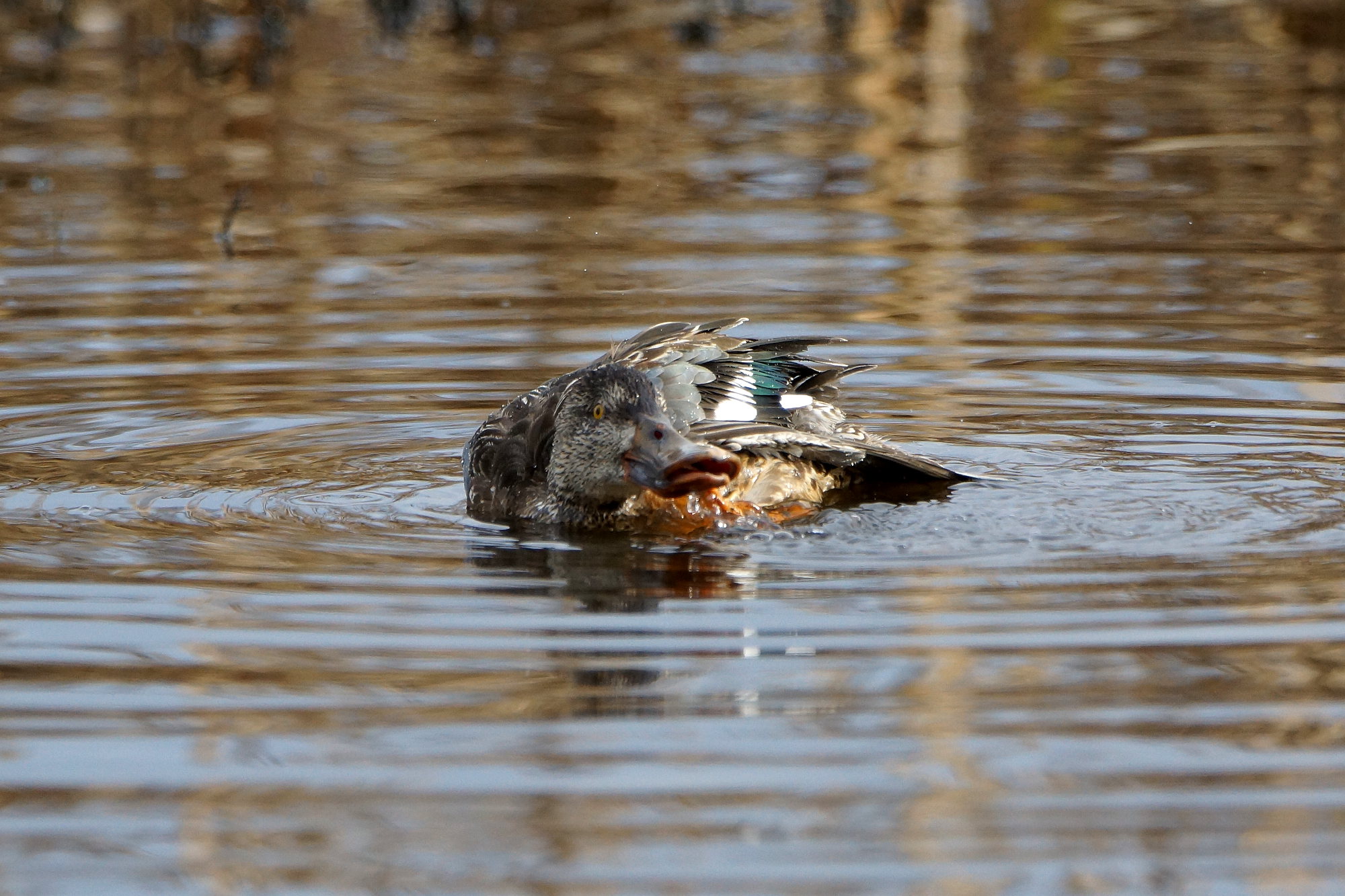
When I first saw this duck I wasn't too sure what it was. Then I saw that distinctive long flat bill and knew it was a Northern Shoveler Duck. However, it seemed to have some of the characteristics of both the male and the female of this species so I asked for advice from a local birdwatchers website. I was correct in my identification of this bird as a Northern Shoveler; it's an adolescent male - and he certainly does have that adolescent gawkiness. The photo was taken at Rithet's Bog in Saanich.

Saturday, January 4, 2014

Bottoms Up!

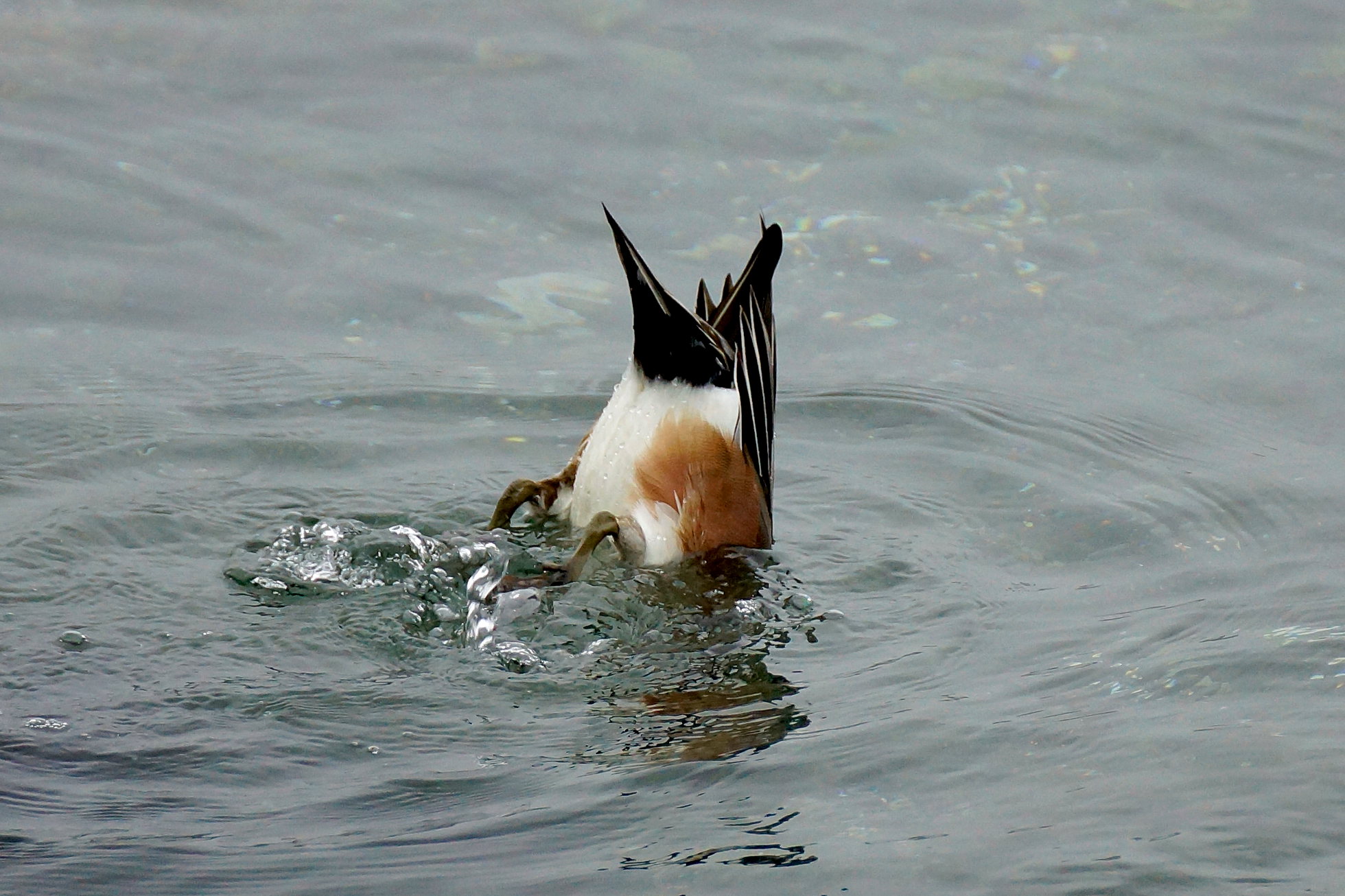
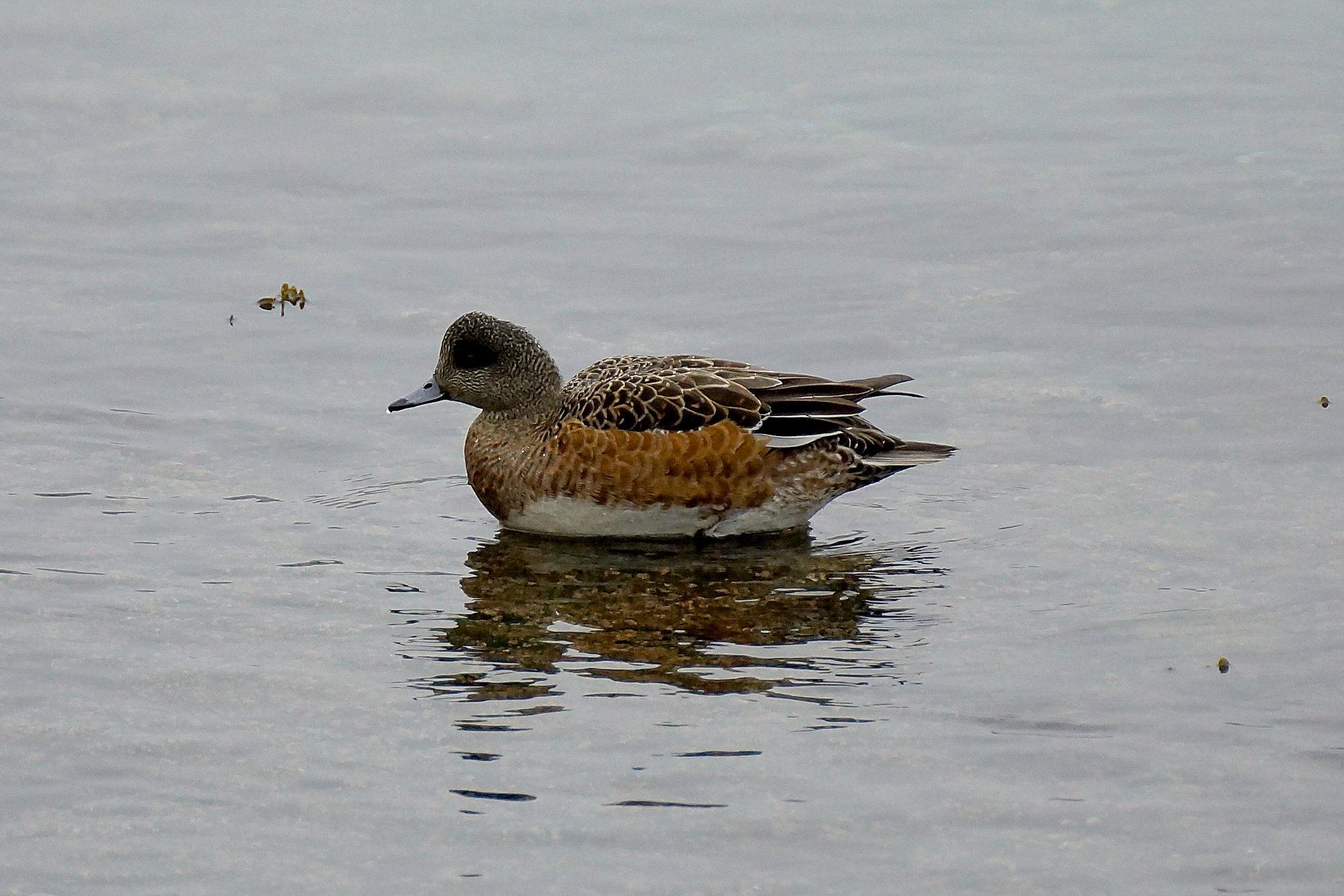
The title of this post would probably have been more appropriate for New Year's Eve but this is also a typical view when dabbling ducks are nearby. This is of course how they feed, tipping themselves like this and scrabbling around on the bottom for insects, small fish and crustaceans. While I almost always post an annual photo of our most common dabbling ducks, the Mallards, I often ignore the American Wigeons pictured here. They are almost as common as the Mallards and spend the winters here quite contentedly. In the photos below the male is on the left and the female is on the right.

Tuesday, November 26, 2013

Northern Pintail (Anas acuta)

My visit to Esquimalt Lagoon last week yielded, in addition to Saturday's photo of the Mute Swans, this photo of one of my favorite dabbling ducks, the Northern Pintail (Anas acuta).

Monday, November 8, 2010

Northern Pintail (Anas acuta)

I appear to have caught some kind of infection so here is a photo from a few weeks ago of a male Northern Pintail (Anas acuta) photographed at Esquimalt Lagoon.

Saturday, October 23, 2010

American Wigeon (Male)

Ten days ago I posted a photo of a female American Wigeon (Anas americana) taken at Cattle Point. Here is the male of the species, photographed at Esquimalt Lagoon last week.

Wednesday, April 21, 2010

Northern Shoveler (Anas clypeata)

Here's another new (for me) kind of duck that I saw while out at Rithet's Bog the other day. The two birds on the left are a pair of Northern Shoveler (Anas clypeata) Ducks, especially characterized by that extra large bill. (The black and gray bird on the right is an American Coot.)

Monday, February 1, 2010

Lesser Scaup (Aythya affinis)

Beacon Hill Park's lake is a favored spot for ducks at any time of year so I thought I might find something interesting there. While the vast majority are Mallards or Wigeons, after watching for a while I noticed the duck above. This is one of two related species, the Lesser or the Greater Scaup. The major difference is size and the shape of the head. For those reasons I lean towards identifying this as a Lesser Scaup (Aythya affinis). It's called a scaup because it makes a noise like "scaup." The Lesser Scaup is a member of the diving duck (Aythyinae) family. Below are a series of photos showing a dive sequence. Had there been a fourth photo it would only have showed the ripples on the surface since when these ducks dive, they swim around underwater. Dabbling ducks such as Mallards, on the other hand, just tip themselves perpendicularly in the water, leaving their bottoms above the surface.

There were two of these Lesser Scaup mixed in with a large group of Mallards and Wigeons and at first I didn't notice the Scaup because they stayed in the water when the Mallards and Wigeons came up onto the shore to feed for some bird seed someone had scattered, visible in the photo below. I thought that perhaps the scaup were just shy but I have since discovered that Mallards and Wigeons are members of a different family, the dabbling ducks (Anatinae), who feed on or near the surface of the water. The legs of diving ducks such as the Lesser Scaup, in order to provide superior propulsion and steering when diving more deeply beneath the surface, are located further back on their bodies than is the case with dabbling ducks. This means that they don't walk as well or easily as dabbling ducks so they tend to stay in the water, while the Mallards and Wigeons scrabble about quite happily on the shore.