Custom Search
Showing posts with label House Finch. Show all posts

Thursday, June 25, 2015

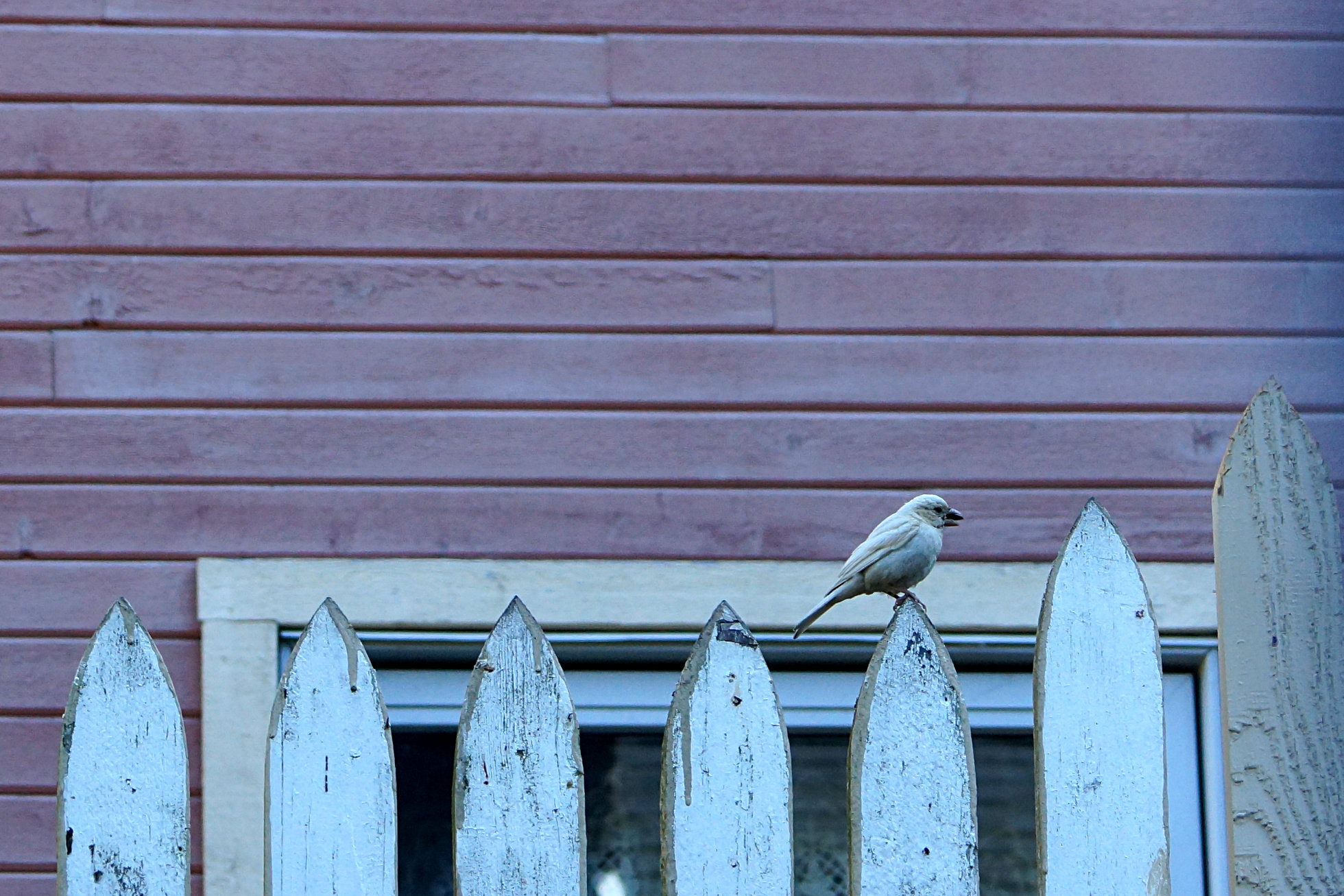
Leucistic House Finch

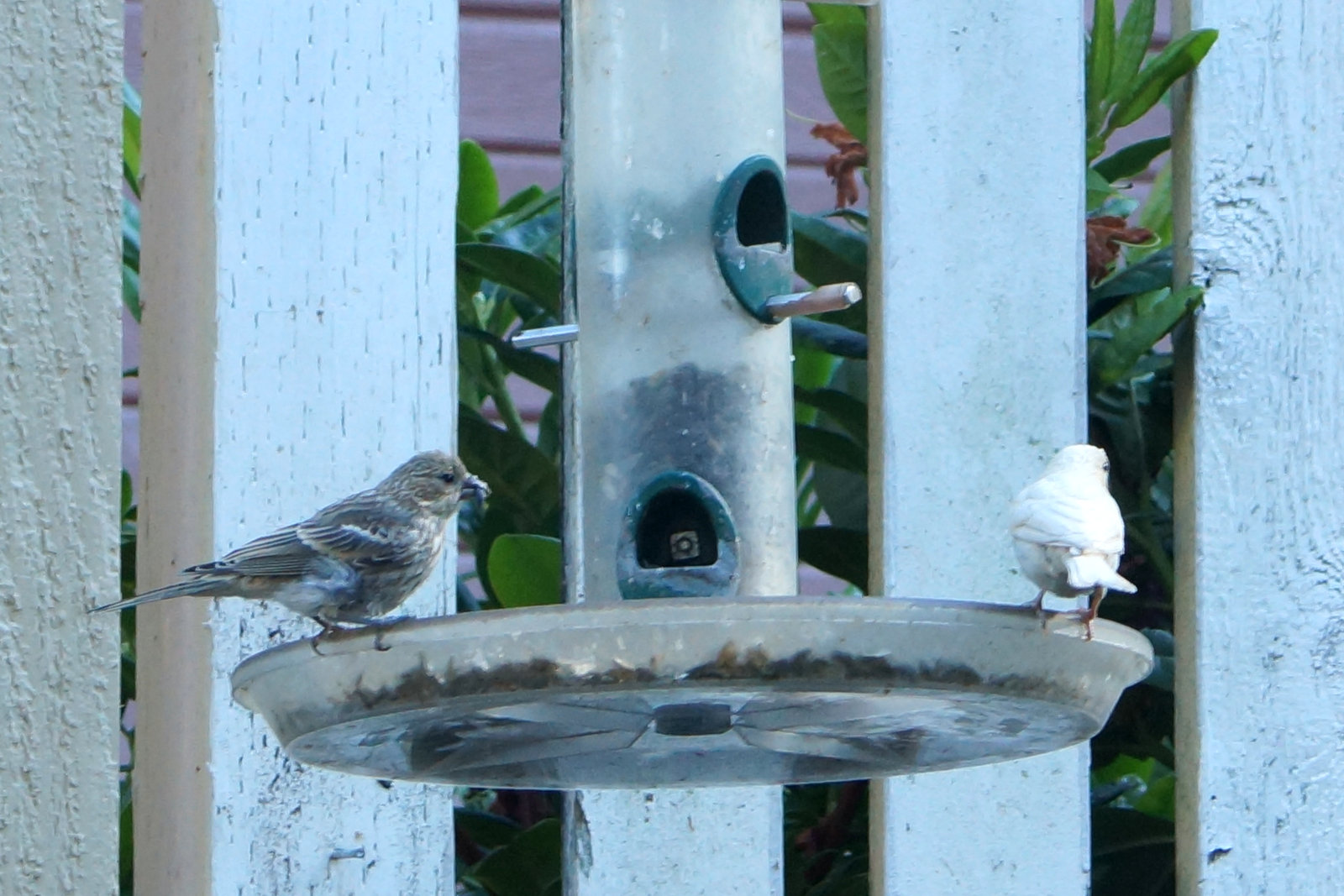
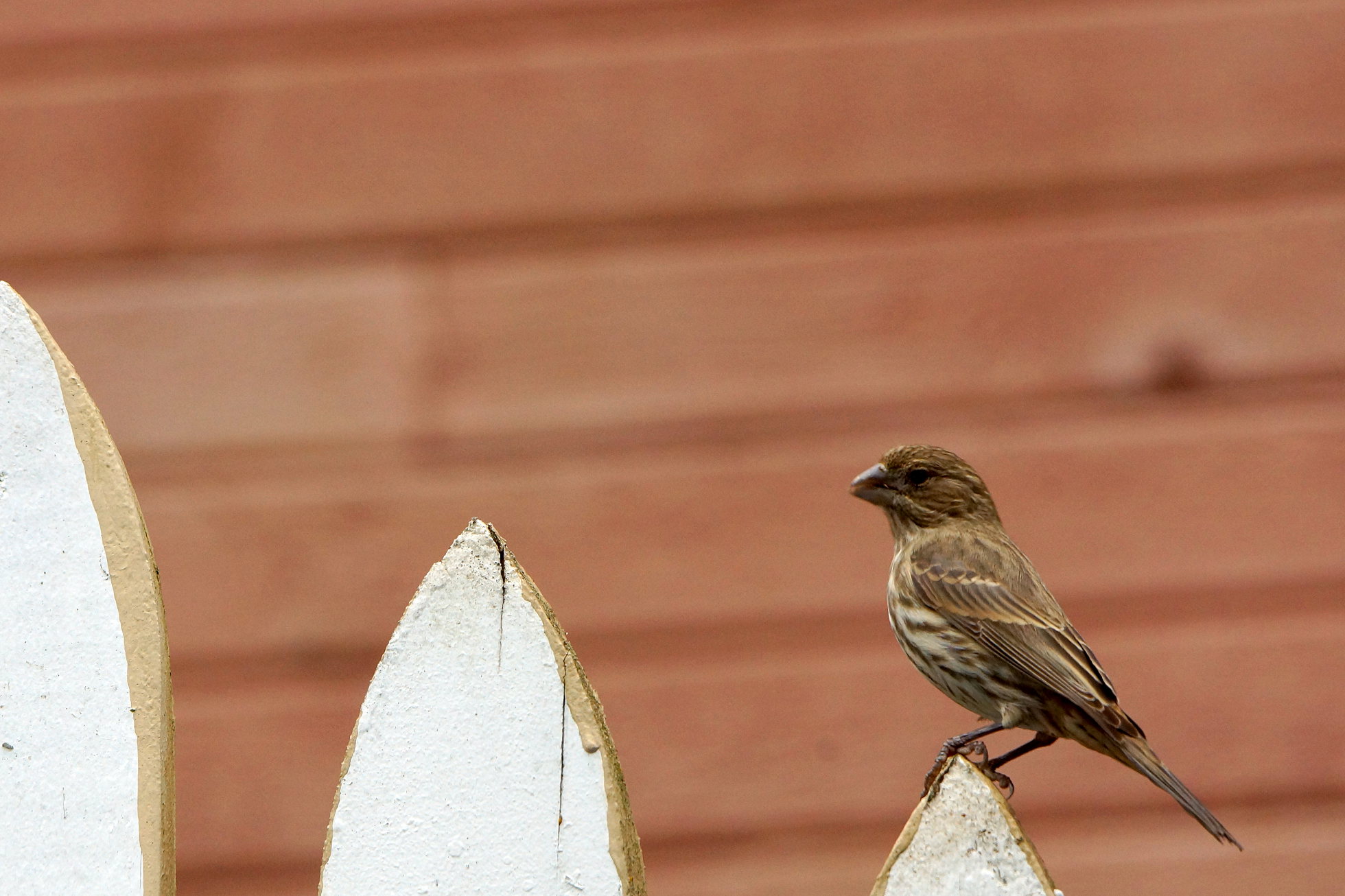
In a cunning segue from yesterday's post today's feature is a leucistic House Finch. When I saw this white finch this morning I nearly fell off my perch. Usually the male of this species has lots of red feathers and the female is like the brown bird pictured to the right. Leucism is when all or part of an animal is white. It differs from albinism in that the eyes are normally colored, not pink or red as with albinos.

Wednesday, May 13, 2015

House Finch

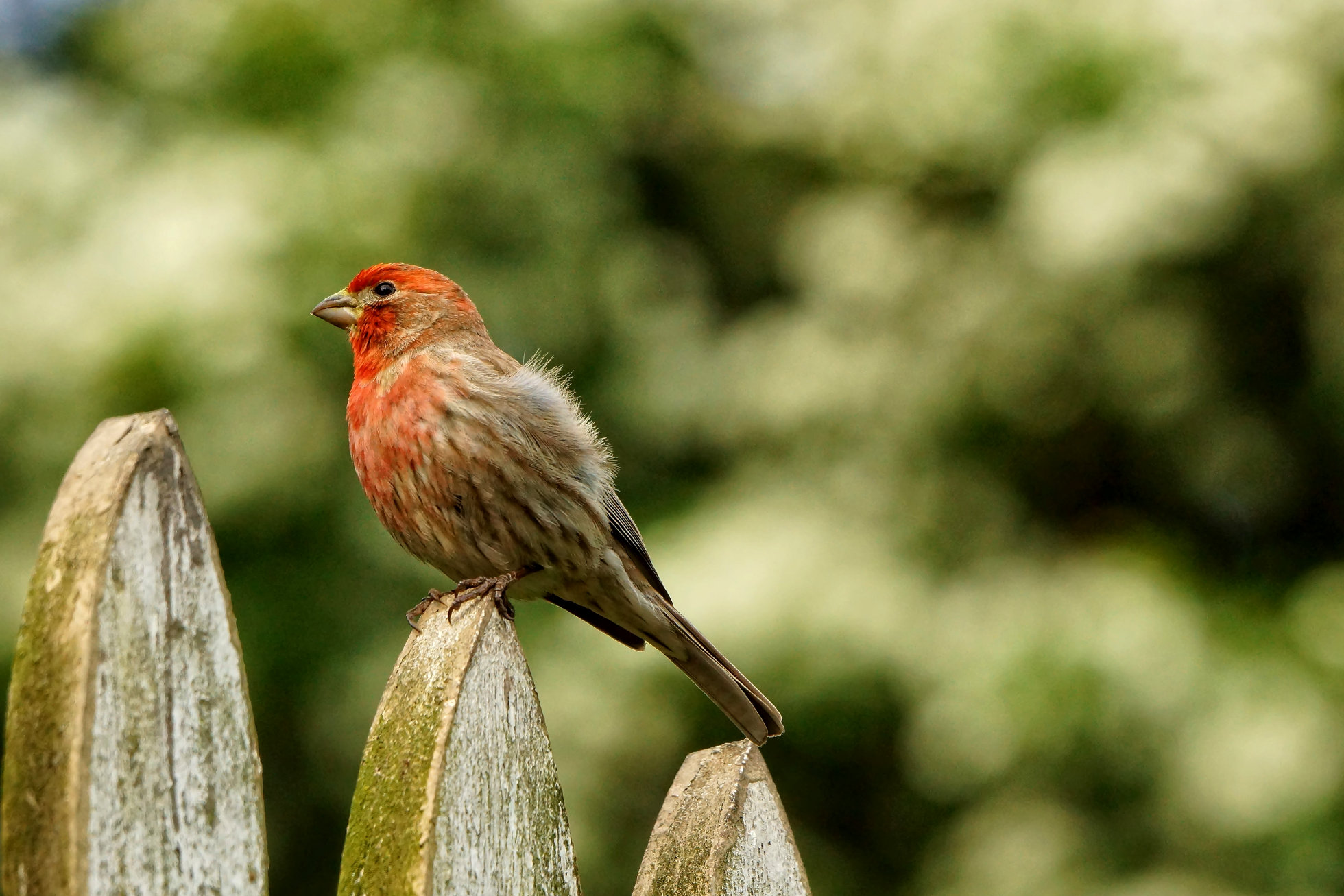
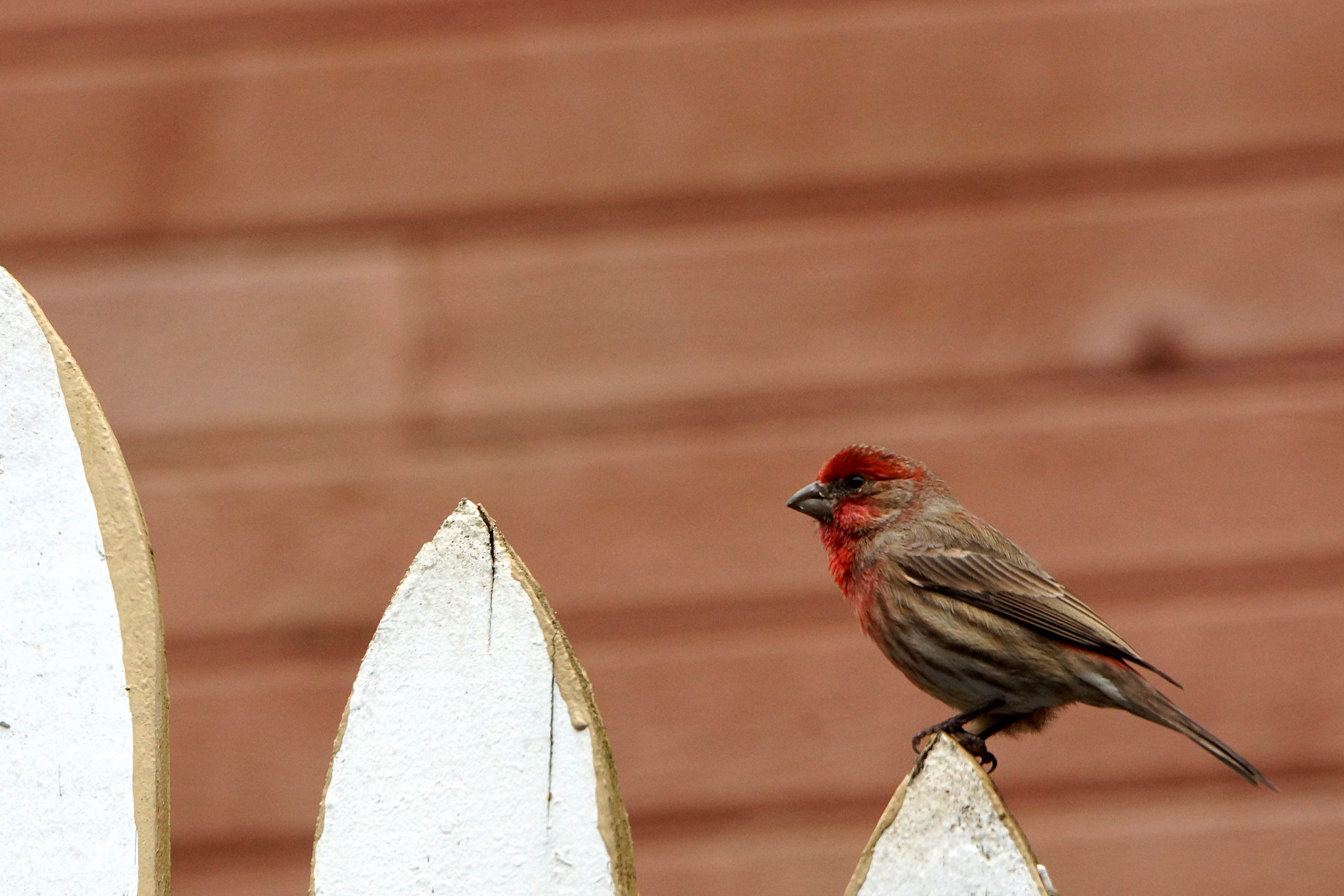
While we're on the subject of backyard birds (from yesterday's post of the hummingbird) here's a photo of one of our local House Finches taking a break from the crowd at the feeder. He was posing so prettily yesterday I couldn't resist taking a photo of him.

Thursday, July 3, 2014

Social Life

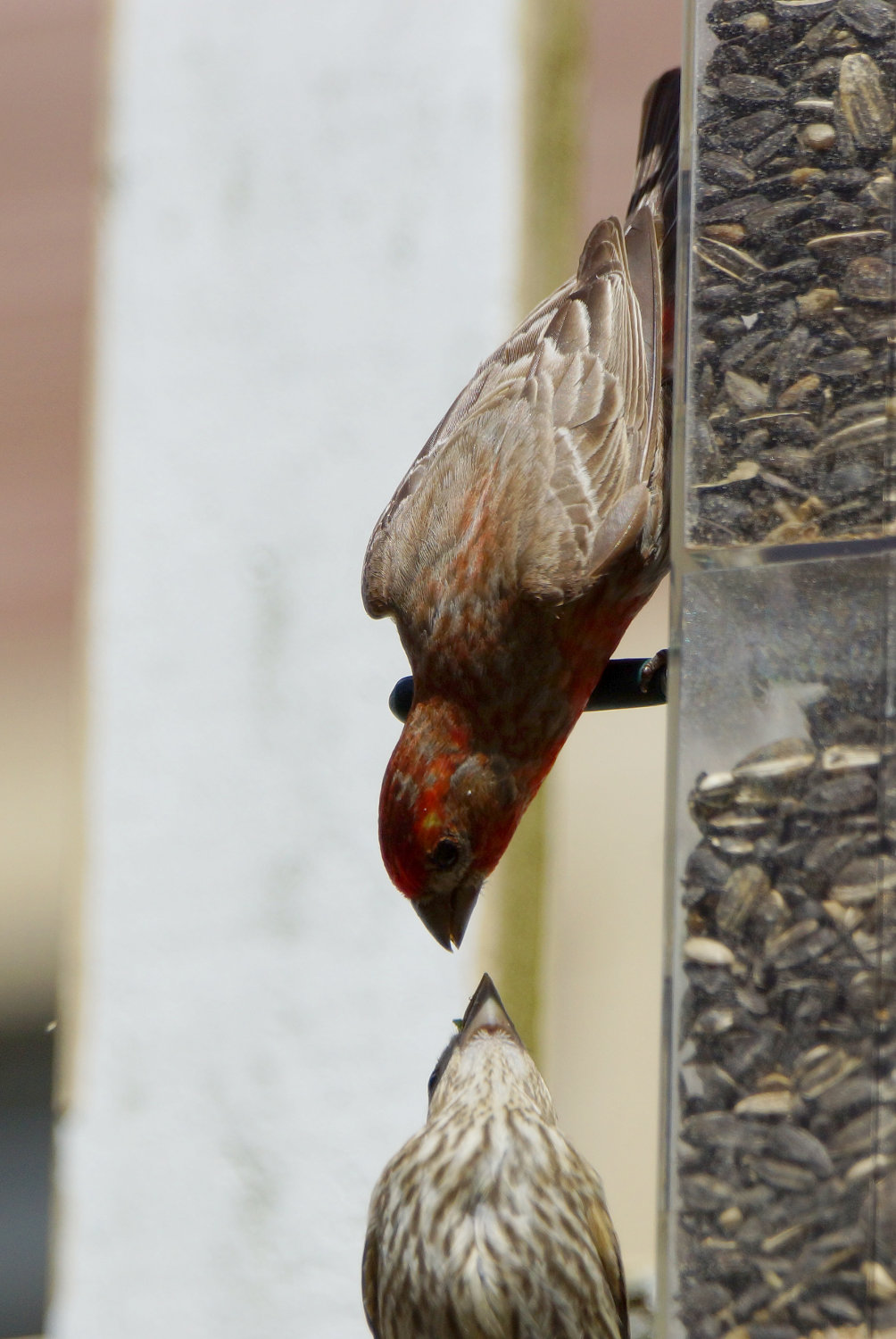
A backyard bird feeder is a great way to learn a bit about the social life of birds. At first it seemed that the sparrows and finches that frequent the feeder related to each other mostly through brief squabbles - some angry chirps and bits of pushing and shoving for feeder perches. But I've also begun to notice a bit of the above behavior too. The top reddish bird, a male House Finch, is here bending down to give a sunflower seed that he has shelled to the bird on the perch below him. I suspect the lower bird is a female and he is feeding her as part of a courtship ritual. It might also be possible that the lower bird is simply a juvenile who is receiving some parental support but whatever the reason it's nice to see that there is more to a bird's life than squabbling over food.

Friday, April 25, 2014

Spring Bouquet

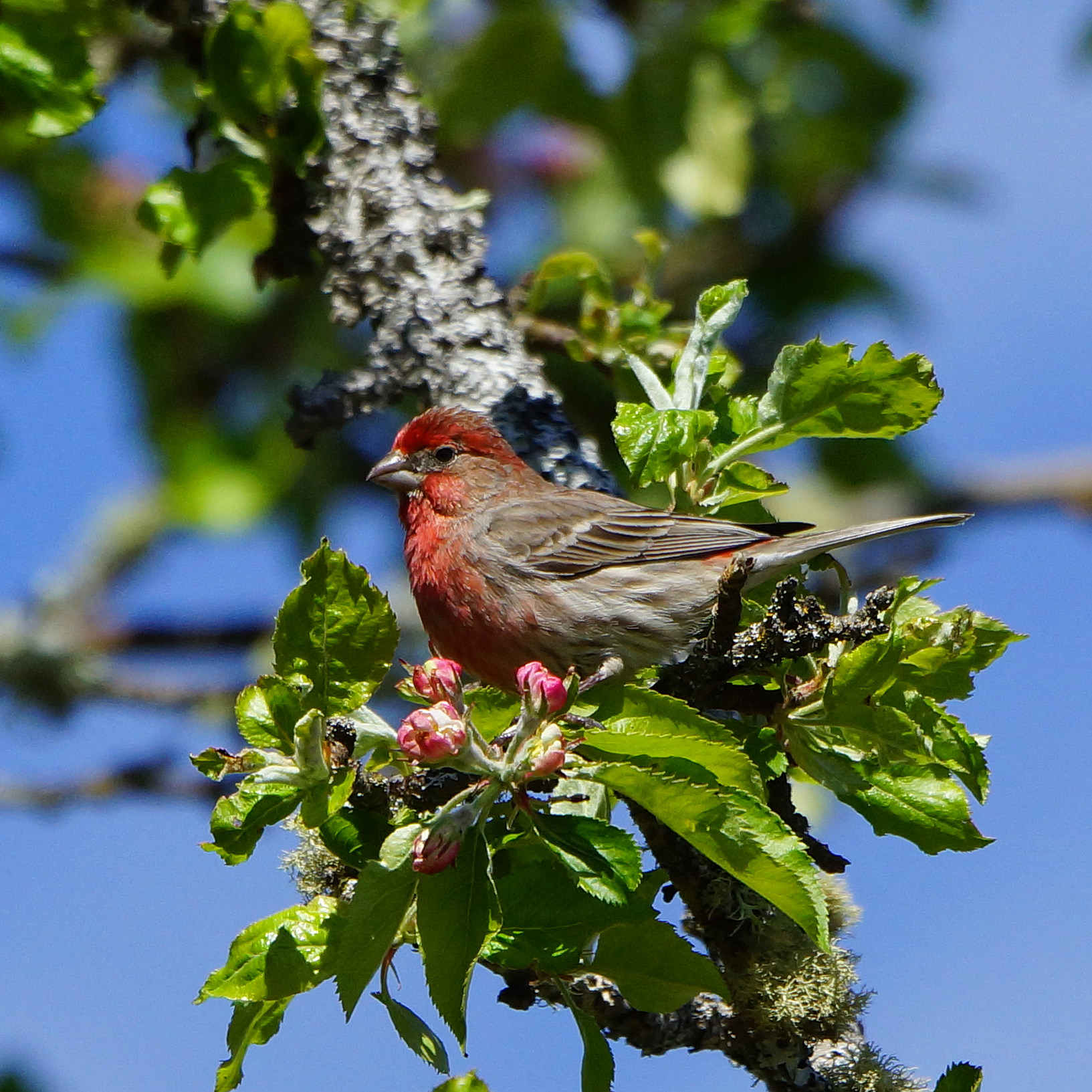
This little House Finch (Haemorhous mexicanus) looks perfectly at home amongst the blossoms on this old apple tree. As one wanders among the bushy overgrown areas on this coast the remains of derelict orchards are often encountered. The early settlers' houses and gardens may have completely disappeared but the orchards remain. Not so long ago everyone had an orchard or at least a few fruit trees on their property to provide fruit that could be eaten fresh and preserved for the winter. It's a good idea.

Wednesday, November 20, 2013

At the Feeder

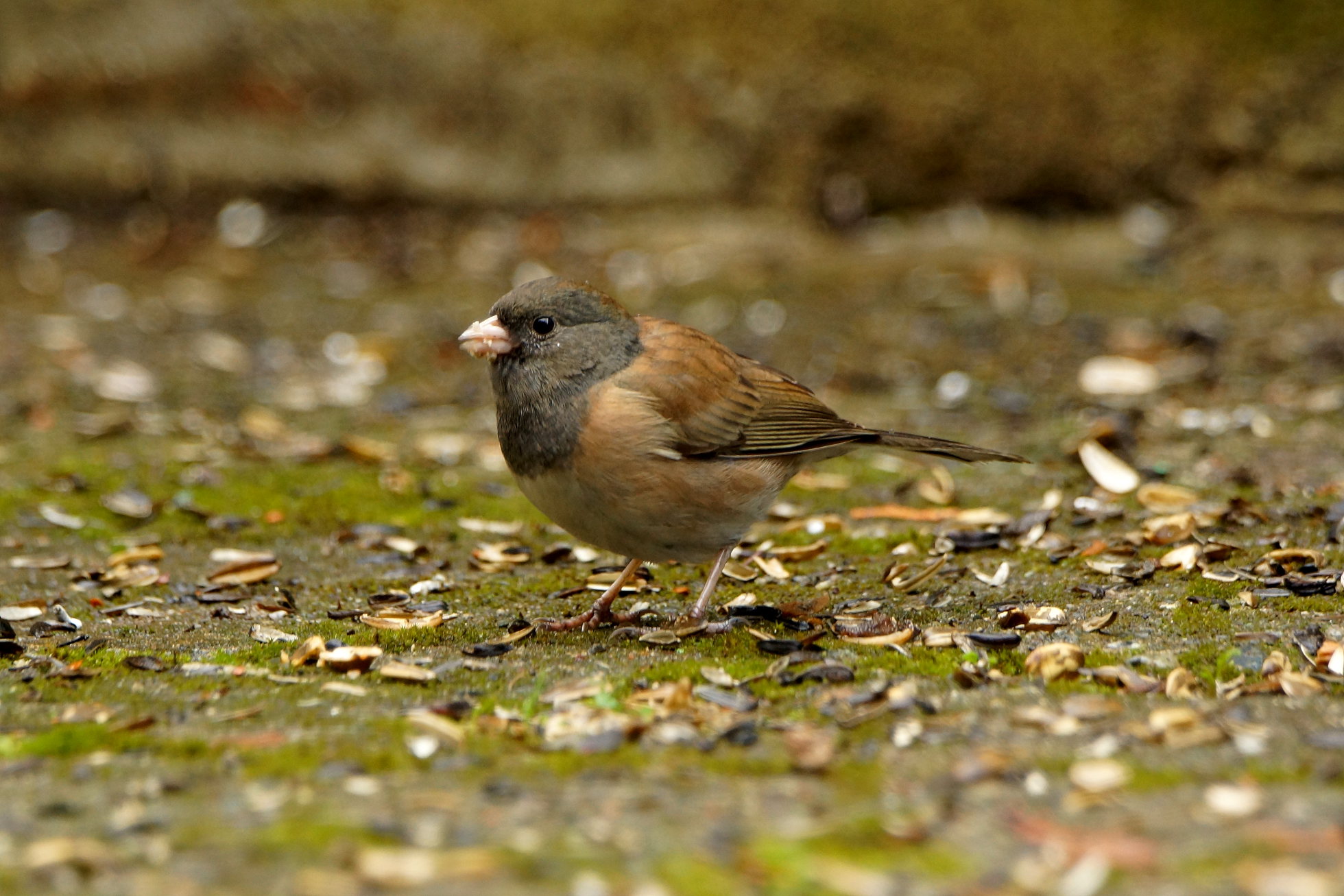
Fern recently installed a bird feeder in the back yard and I took some time yesterday to observe the surprisingly busy traffic. As well as trying out some new shooting techniques it also enabled me to continue with my quest to learn to distinguish all those little brown birds that populate our environment. Below are four that I have tentatively identified. If you're a birder, please feel free to correct me as I'm still not very confident when it comes to these little brown birds.

Mistakenly identified as a Pine Siskin. (See note * below)
House Finch
Fox Sparrow
Dark-eyed Junco
* Re: Top left photo - The Pine Siskin is similar to this but after looking at various field guides I feel quite sure this is actually a female House Finch. The red-capped male House Finches are relatively easy to id and since they are regular visitors in the same flocks, this adds additional weight to the case for this being a female of the species.

Friday, March 4, 2011

House Finch (Carpodacus mexicanus)

Here's a pair of House Finches (Carpodacus mexicanus), birds that are quite commonly seen here all year round.

Sunday, January 3, 2010

Parrot

Actually I know this is not a parrot. But I've just spent an hour searching through my Peterson's Field Guide to Western Birds without finding anything that really matches this fellow. The sun came out for awhile yesterday and while I was wandering around above the Gorge, he (or she) came and struck this lovely pose. So I've titled this post "parrot" in the hopes that some irate birder will click through and inform me what kind of bird this is.
Bravo to reader Marnie, Ms. Toast Burner, who blogs over at "One Slice at a Time." She identifies this as a male House Finch (Carpodacus mexicanus), a member of the rosefinch genus. Wikipedia has a good picture of this bird that leaves little doubt she is correct. Thank you Marnie!