Custom Search
Showing posts with label invasive species. Show all posts

Thursday, March 21, 2013

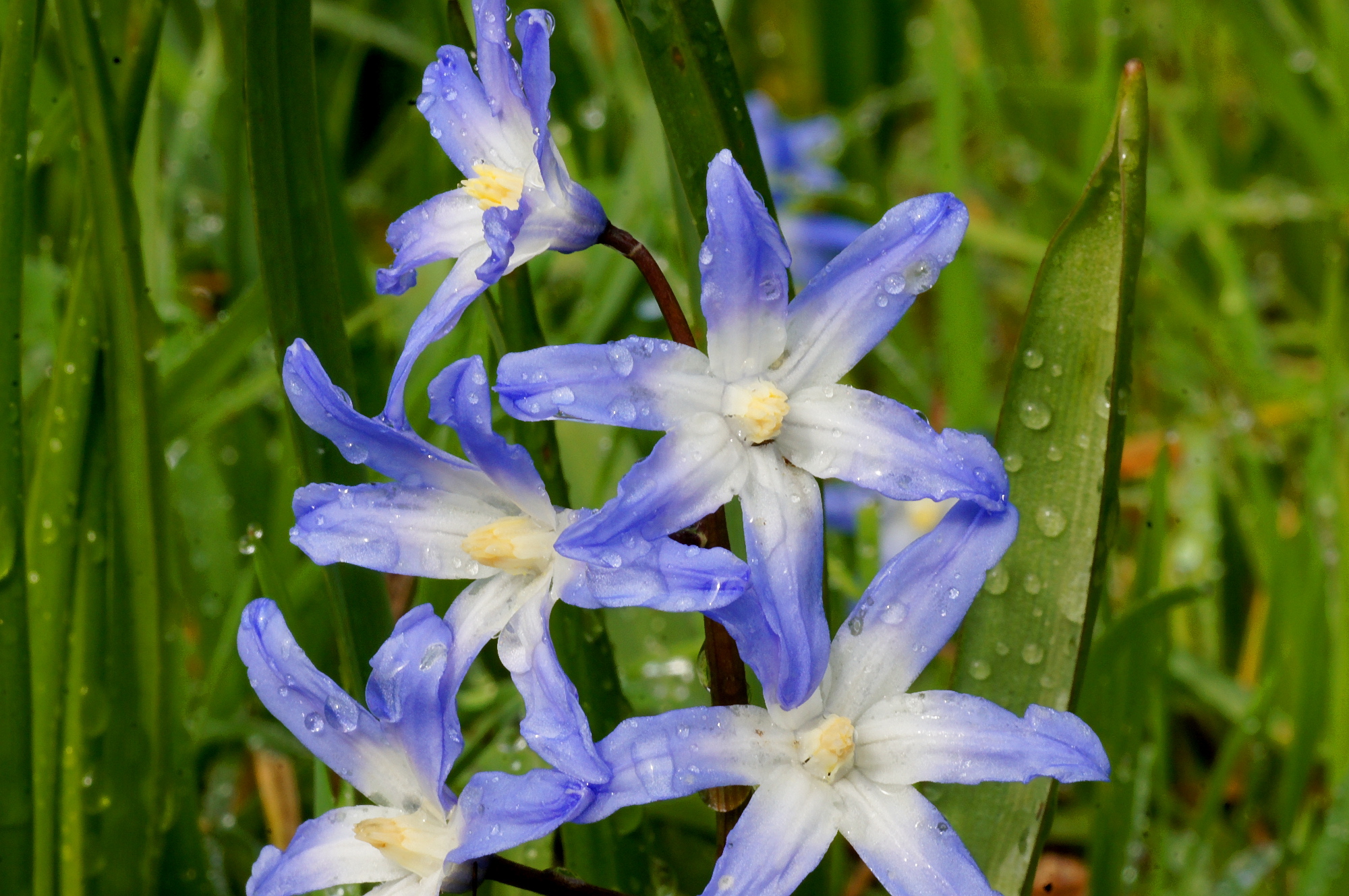
Lucile's Glory-of-the-snow

Lucile's Glory-of-the-snow (Chionodoxa luciliae) are an invasive species but are so lovely in the early spring that I always end up photographing them. Those above are escapes from someone's garden that come up every year in the same spot in Highrock Park.

Thursday, May 26, 2011

Salsify (Tragopogon porrifolius)

Salsify or Oyster Plant (Tragopogon porrifolius) is an invasive species that was imported from Eurasia and Africa to North America because of its edible roots. Though not much eaten nowadays its purple blooms continue to decorate roadsides and other waste places. Apparently salsify roots have a flavor similar to oysters, hence its other common name, Oyster Plant. Also common in our area is the yellow variety, Tragopogon dubius.

Sunday, April 17, 2011

Chionodoxa

Having just learned that yesterday's flowering plant was an invasive species called the Red Deadnettle, I decided to post another Highrock Park invader today, though these little blue and white blossoms seem innocent of any imperial intent. This is Glory of the Snow (Chionodoxa). This patch comes up every year in the same place and probably escaped from a nearby garden some years ago.

Saturday, April 16, 2011

Hairy

This year I have decided to try to be a little more comprehensive when it comes to local wildflower blooms and include some of the less spectacular (smaller) flowering plants whenever possible. I like hairy plants and this one certainly qualifies. I don't know what it is but I'll find out and let you know soon. These are blooming in little patches all over Highrock Park, small plants about 6 inches high. Below is a patch mixed with Miner's Lettuce.Later...I've been through both of my field guides to local wildflowers without being able to make an identification of this plant. Any ideas?


Reader sonicmur identified this plant as the Red Deadnettle (Lamium purpureum), native to Europe and Asia and classified here as an invasive species. Despite its similarity to true nettles this one is not related and has no sting, hence its name.