

Custom Search
Showing posts with label fungi. Show all posts
Showing posts with label fungi. Show all posts
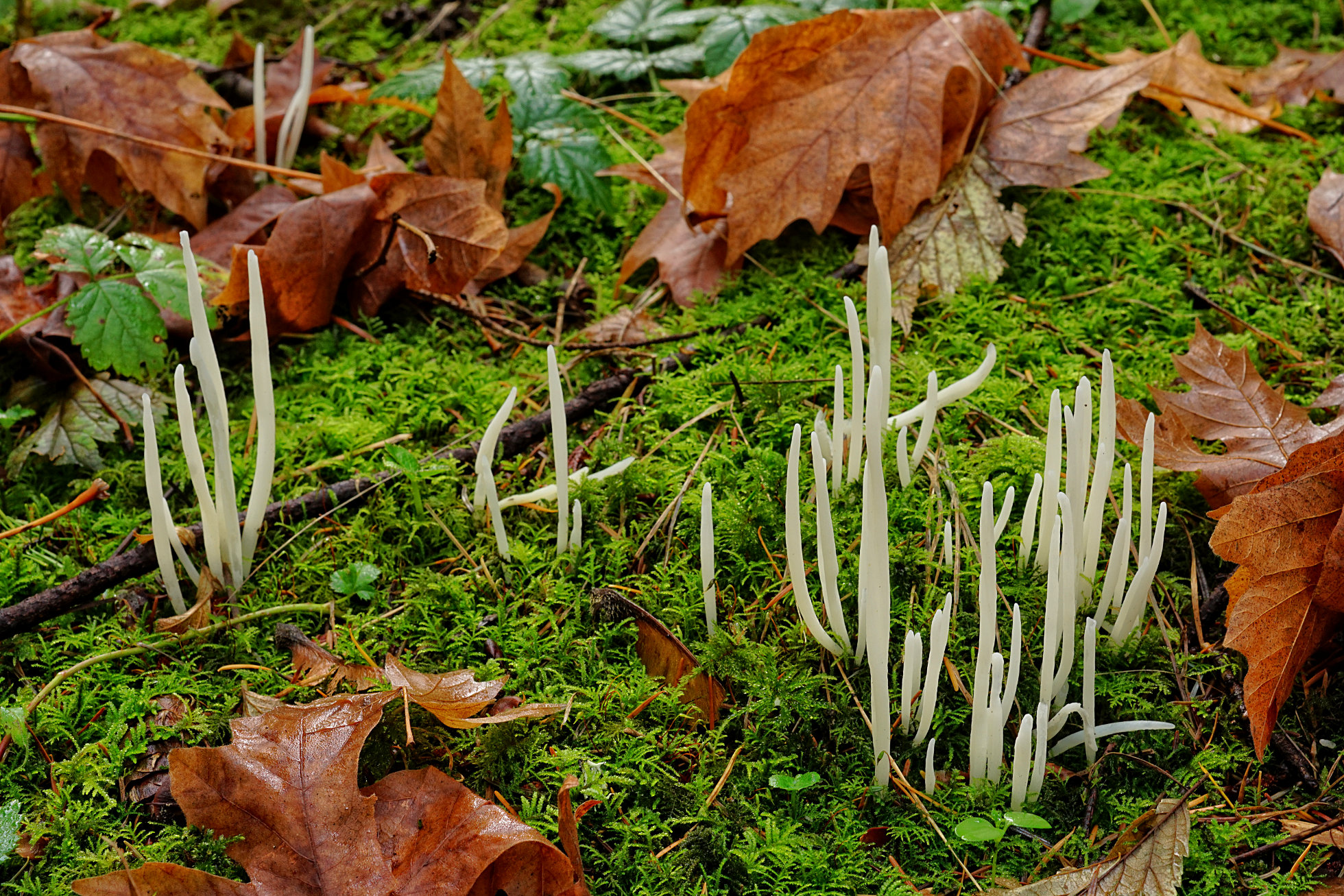
Friday, November 18, 2016
Friday Fungi


Thursday, October 13, 2016
Mushrooms 2
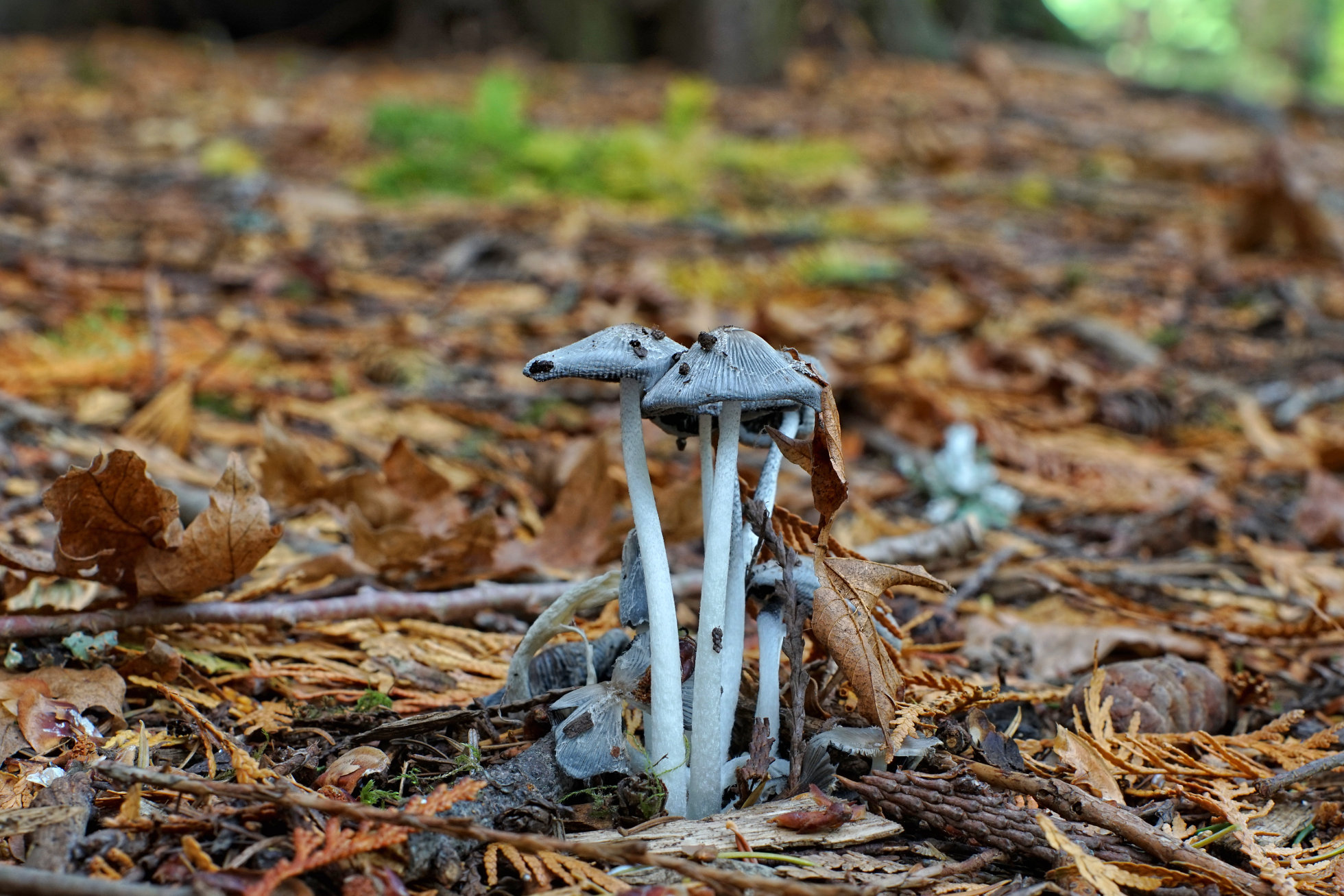
Friday, November 13, 2015
Comb Hericium (Hericium ramosum) (?)
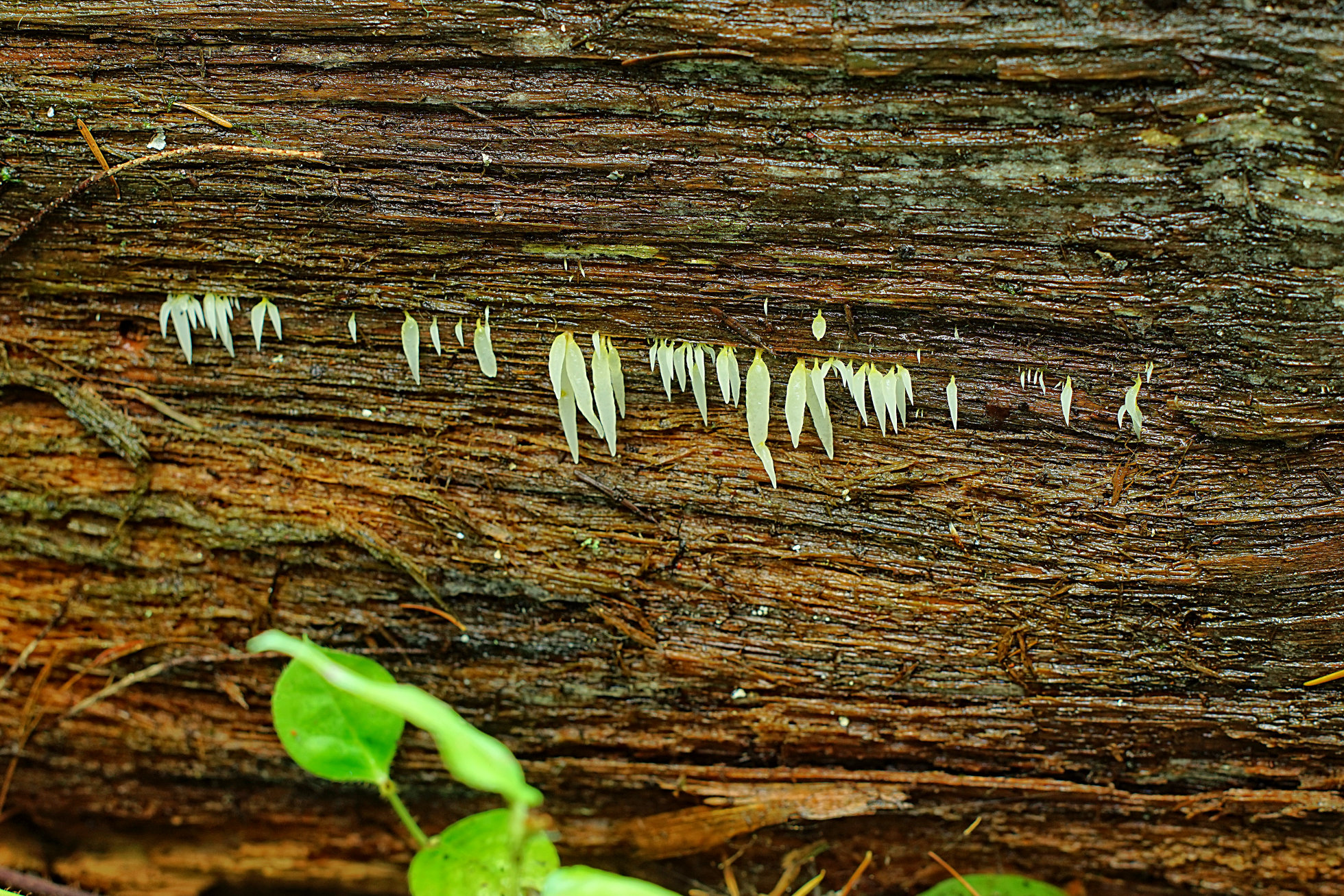
Wednesday, October 21, 2015
Fluted Black Elfin Saddle
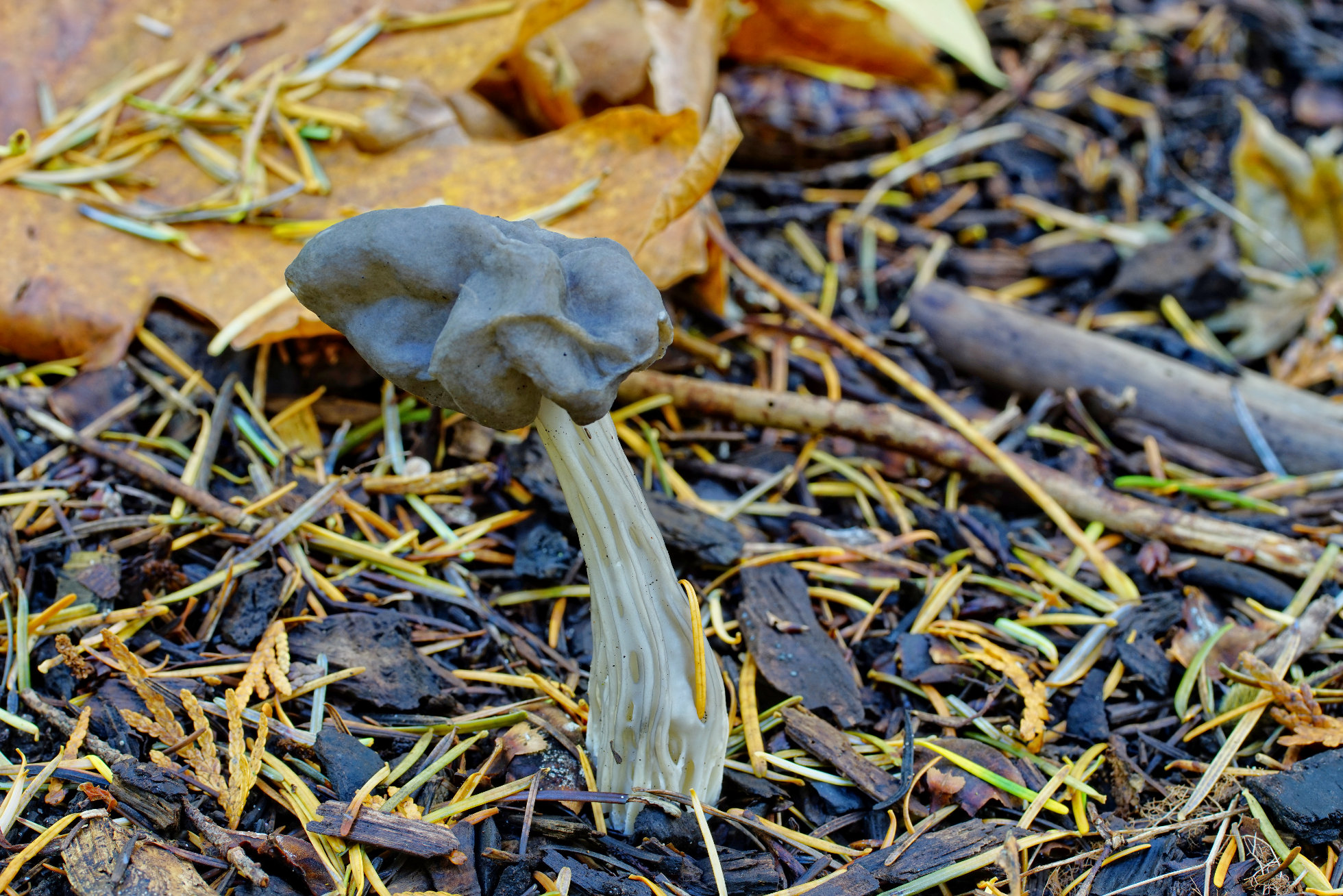
Thursday, October 15, 2015
Mushrooming
Thursday, September 24, 2015
Second Spring 4

Friday, November 14, 2014
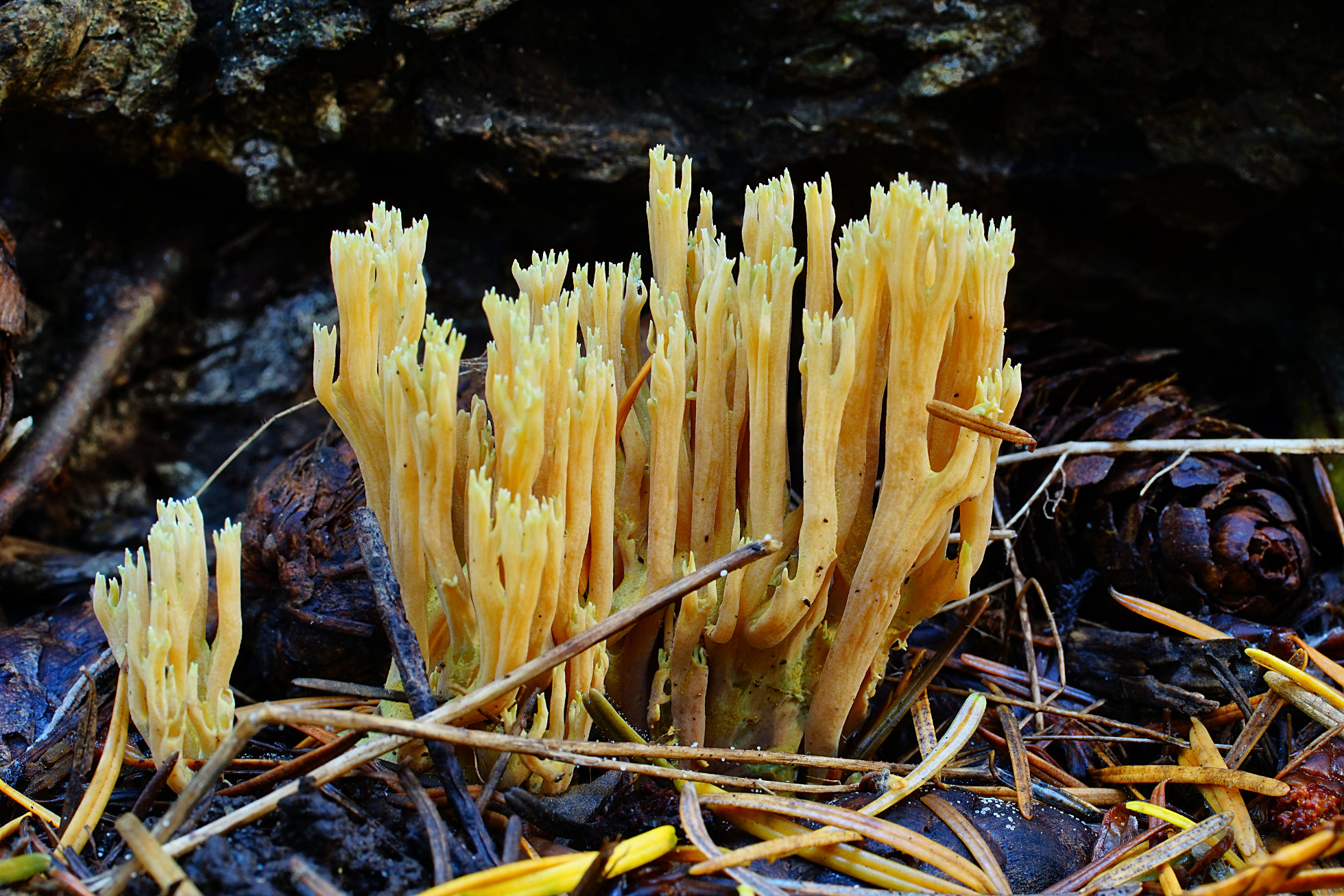
Coral Fungus (Clavulinopsis corniculata)

Thursday, November 7, 2013
Recycling
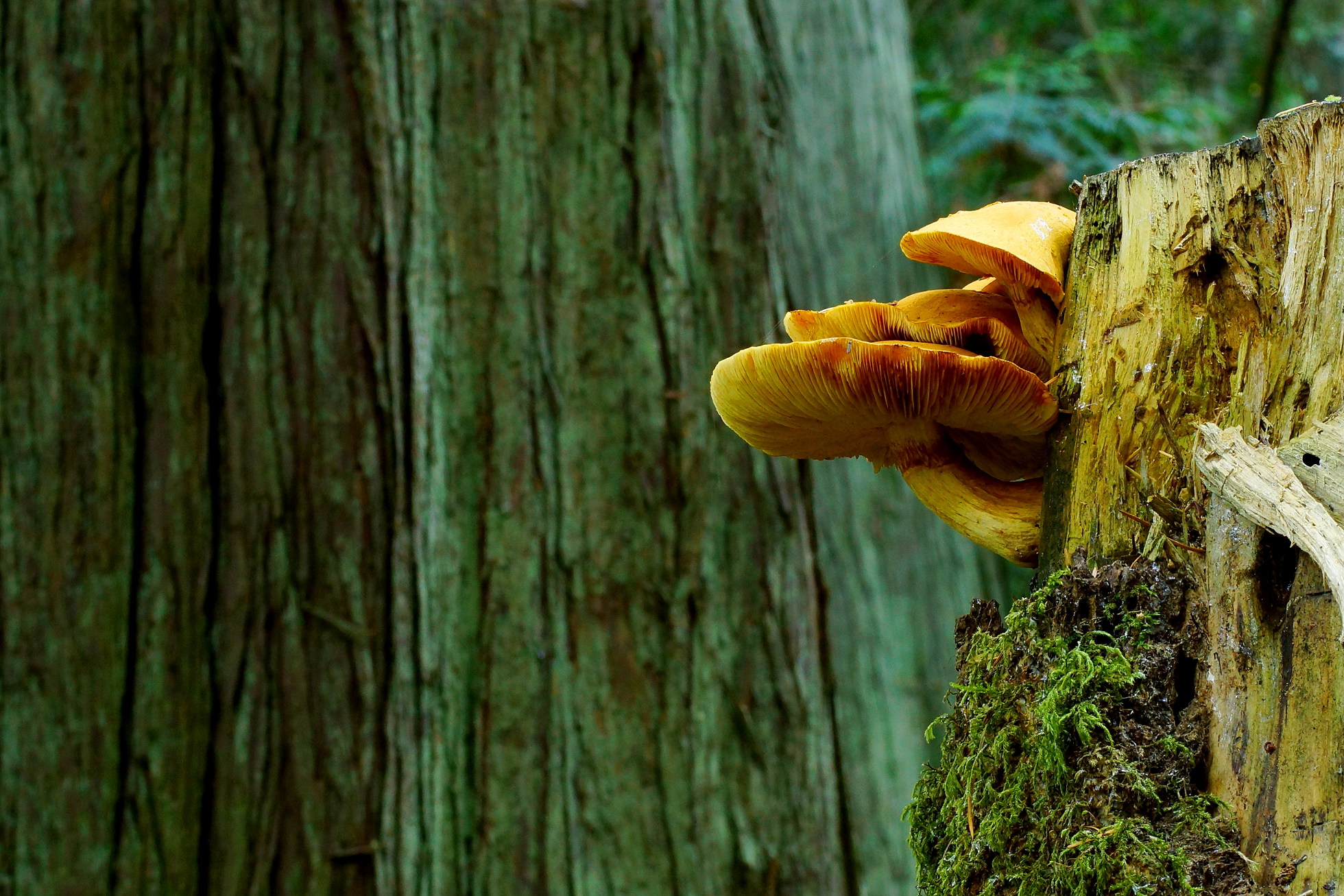
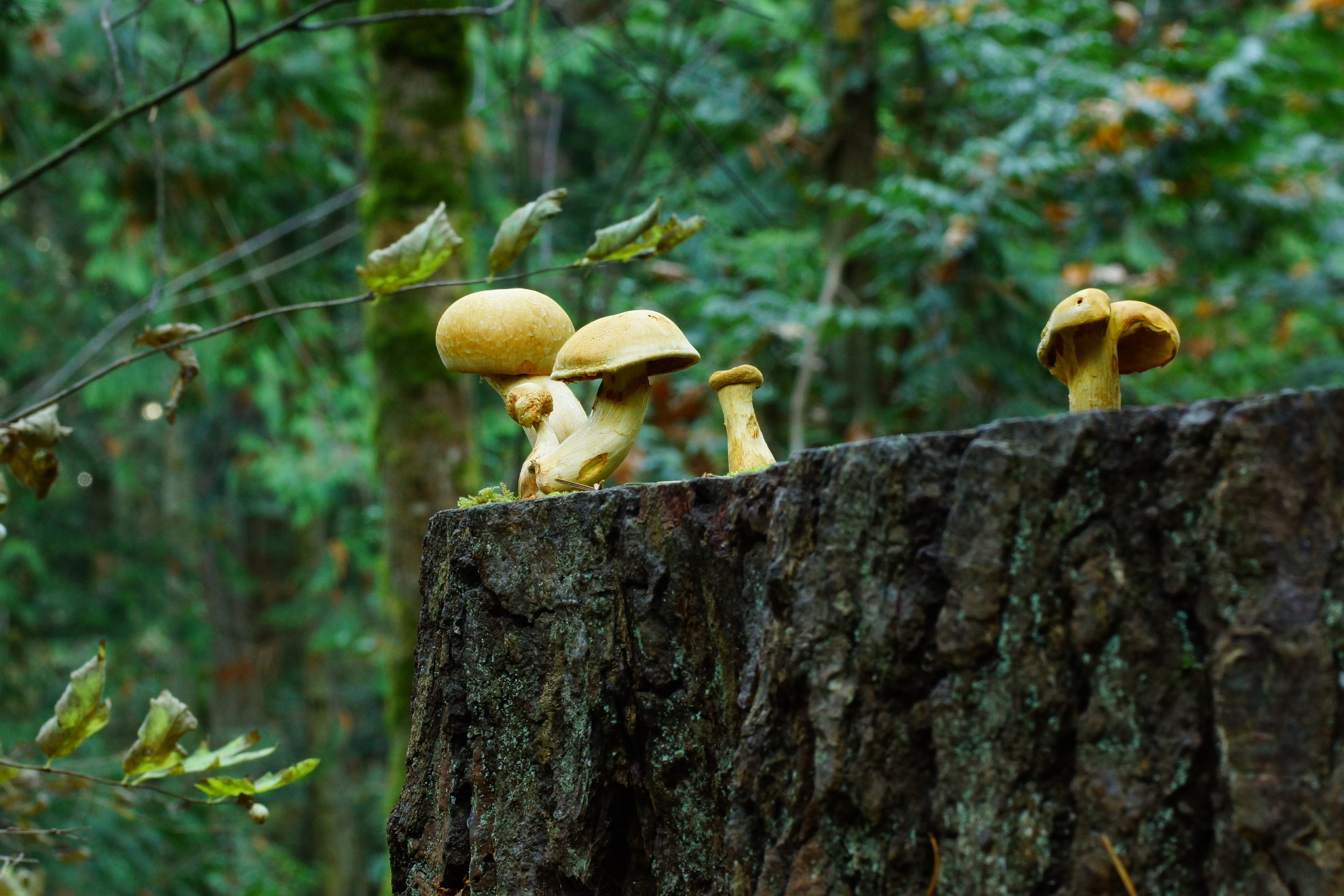 | When I see something like this I realize that these mushrooms are fungi's version of what used to be a tree. All it needs is a spore and some water and a stump to make something completely new and different. Now that's recycling! |
Saturday, November 2, 2013
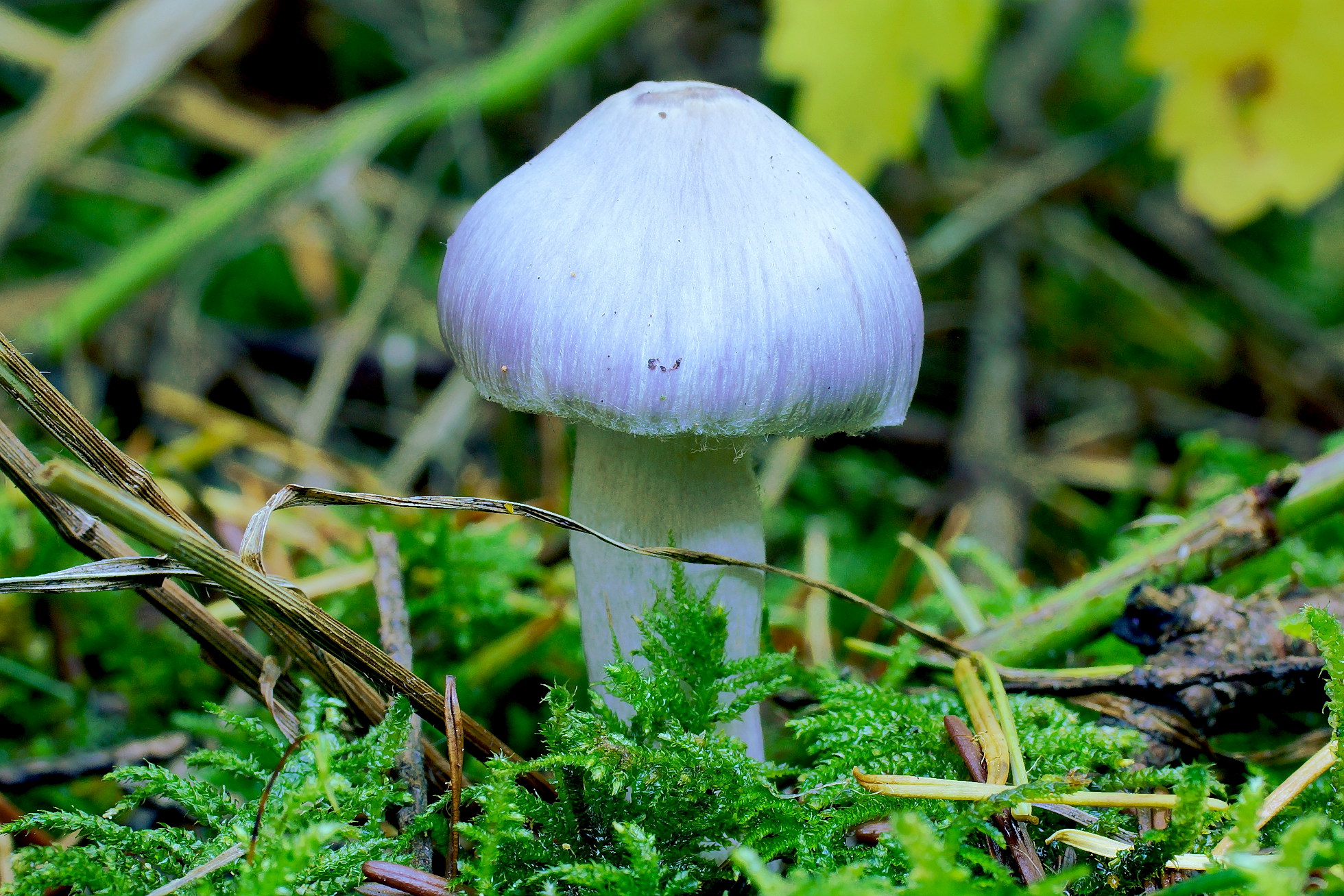
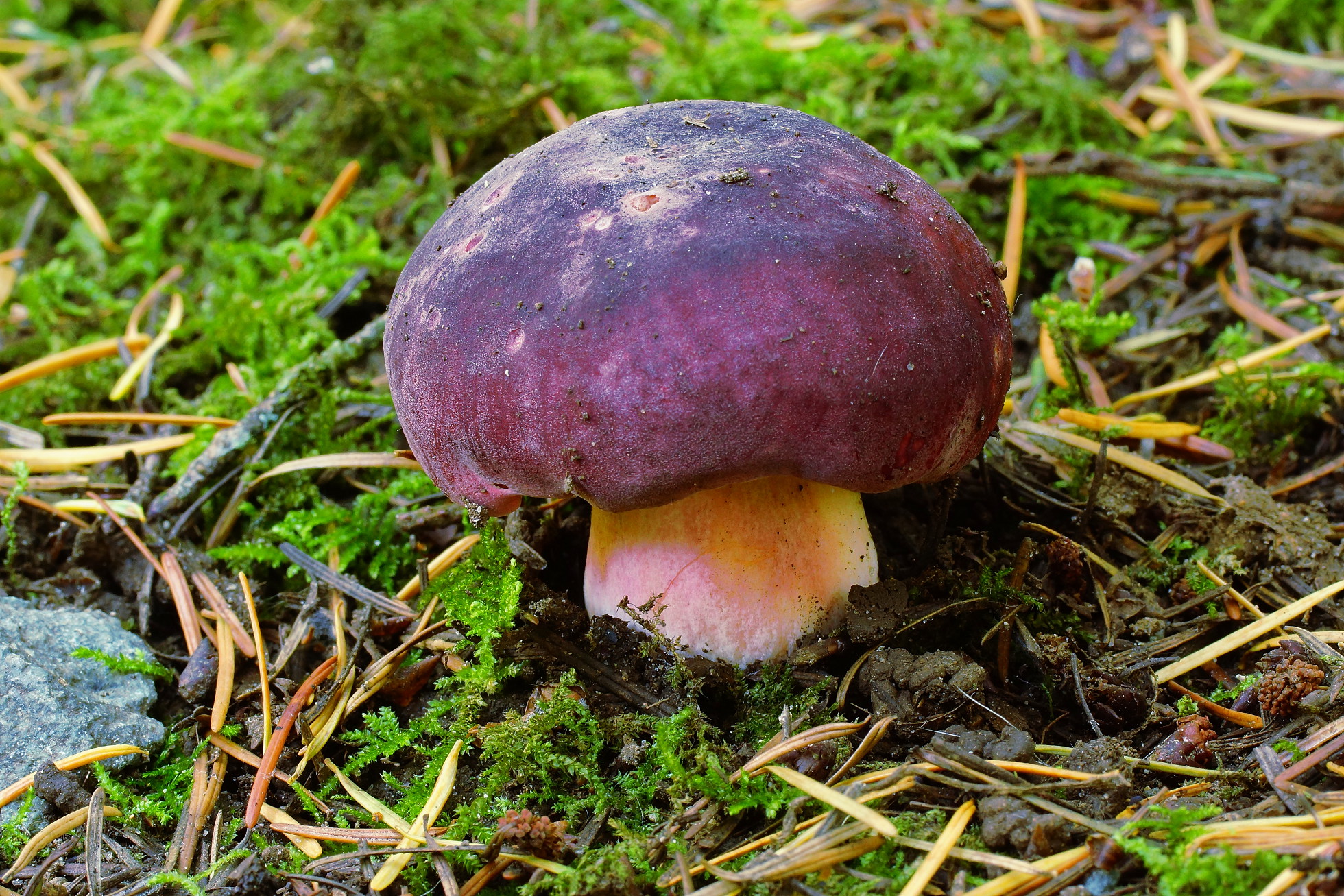
Colorful Fungi
Wednesday, October 30, 2013
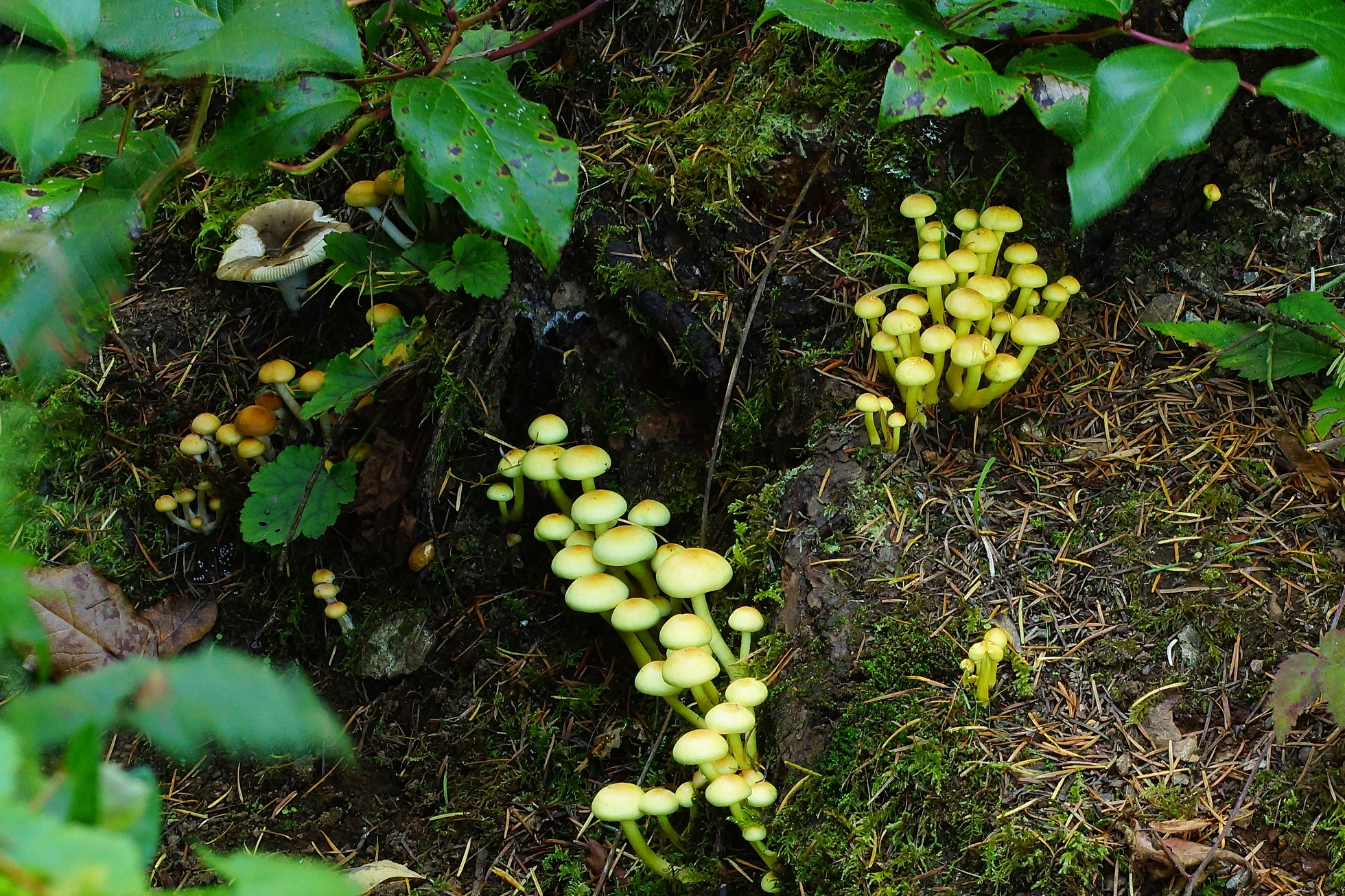
Bumper Crop!
Saturday, October 19, 2013
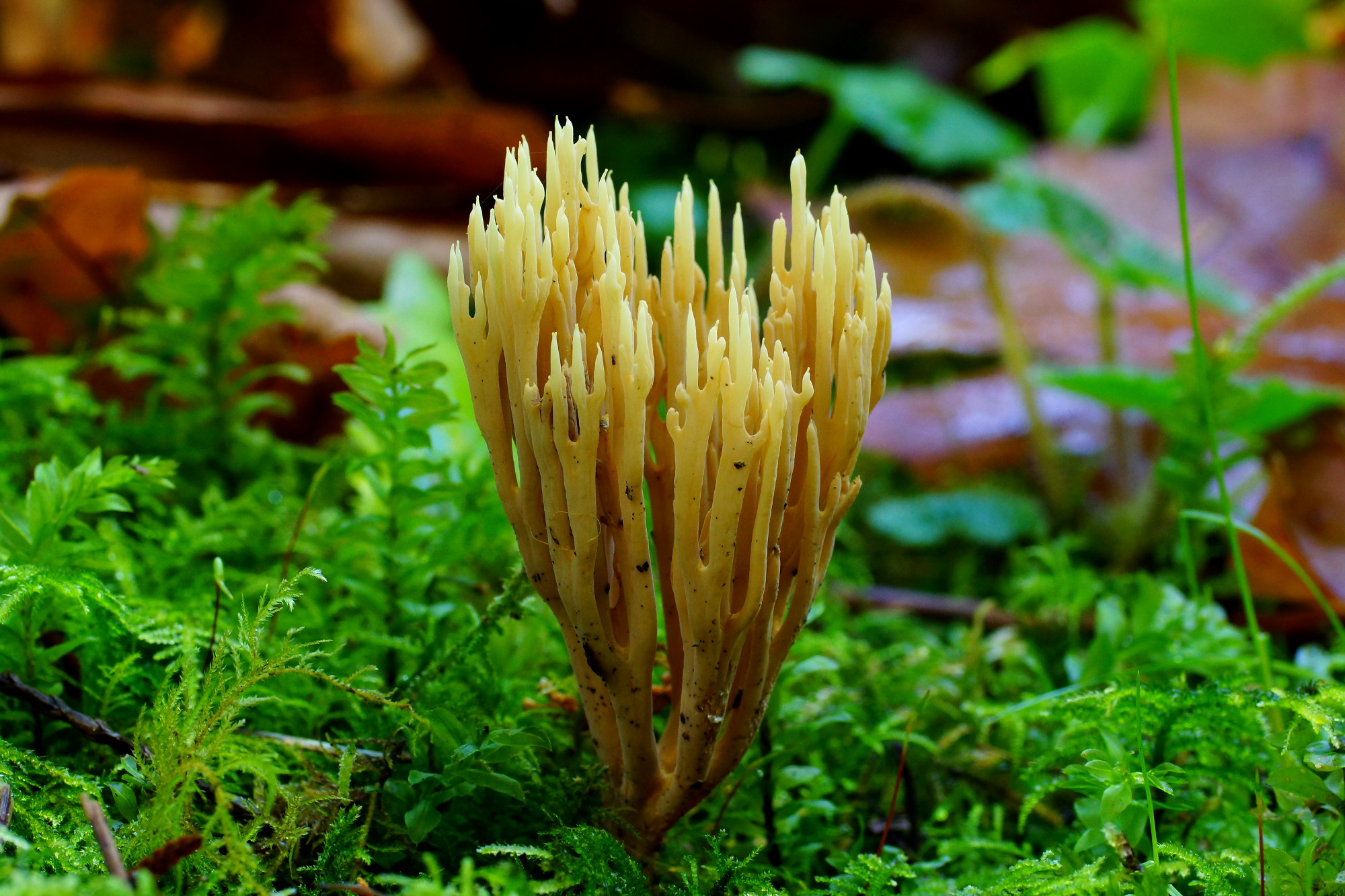
Coral Fungus
Friday, January 4, 2013
Ongoing Mystery
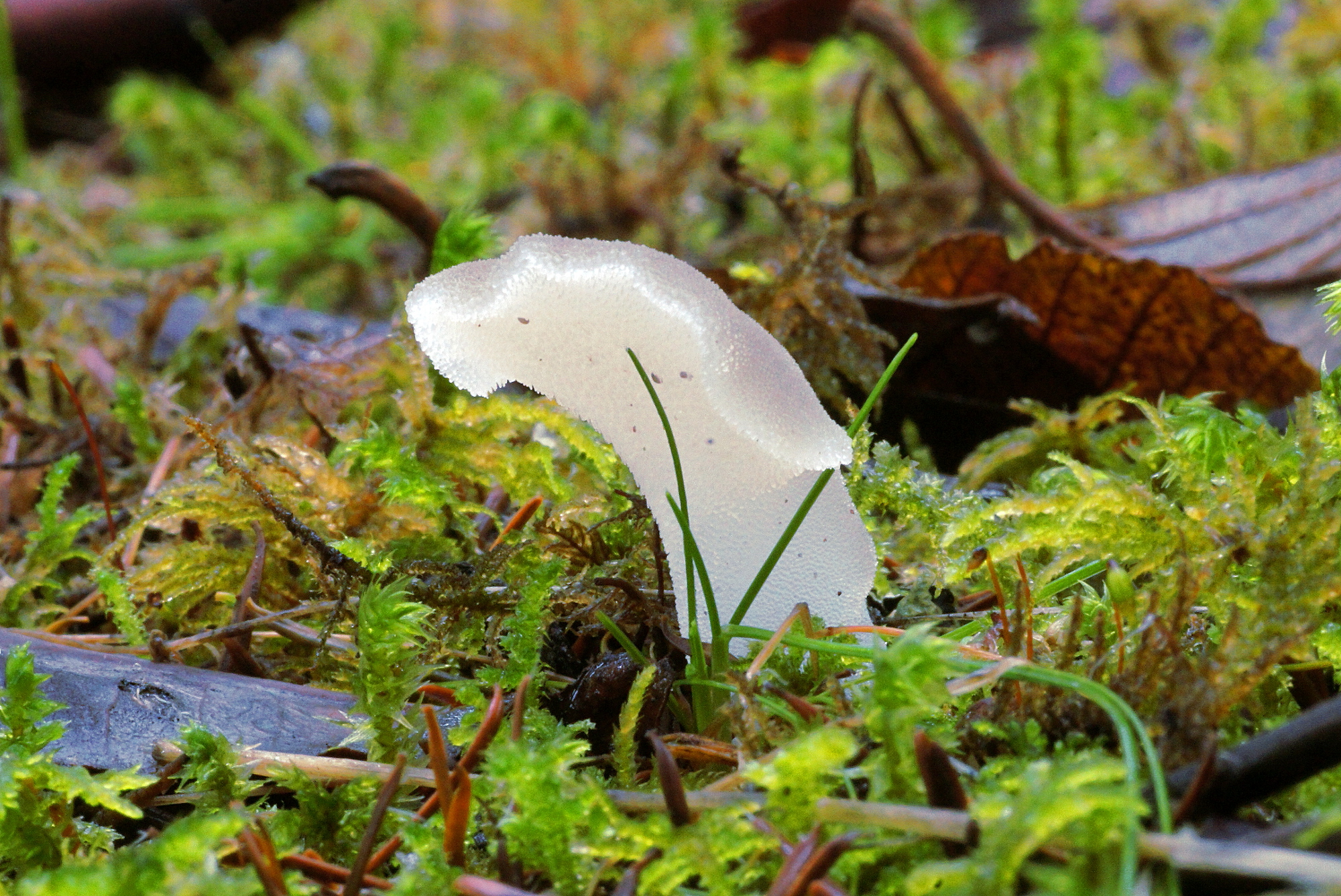
Site visitor Ken Meadows has kindly identified this mushroom as Pseudohydnum gelatinosum. It's also known as toothed jelly fungus, false hedgehog mushroom, and white jelly mushroom. It's edible and also may have some medicinal uses. Thanks Ken!
Wednesday, November 14, 2012
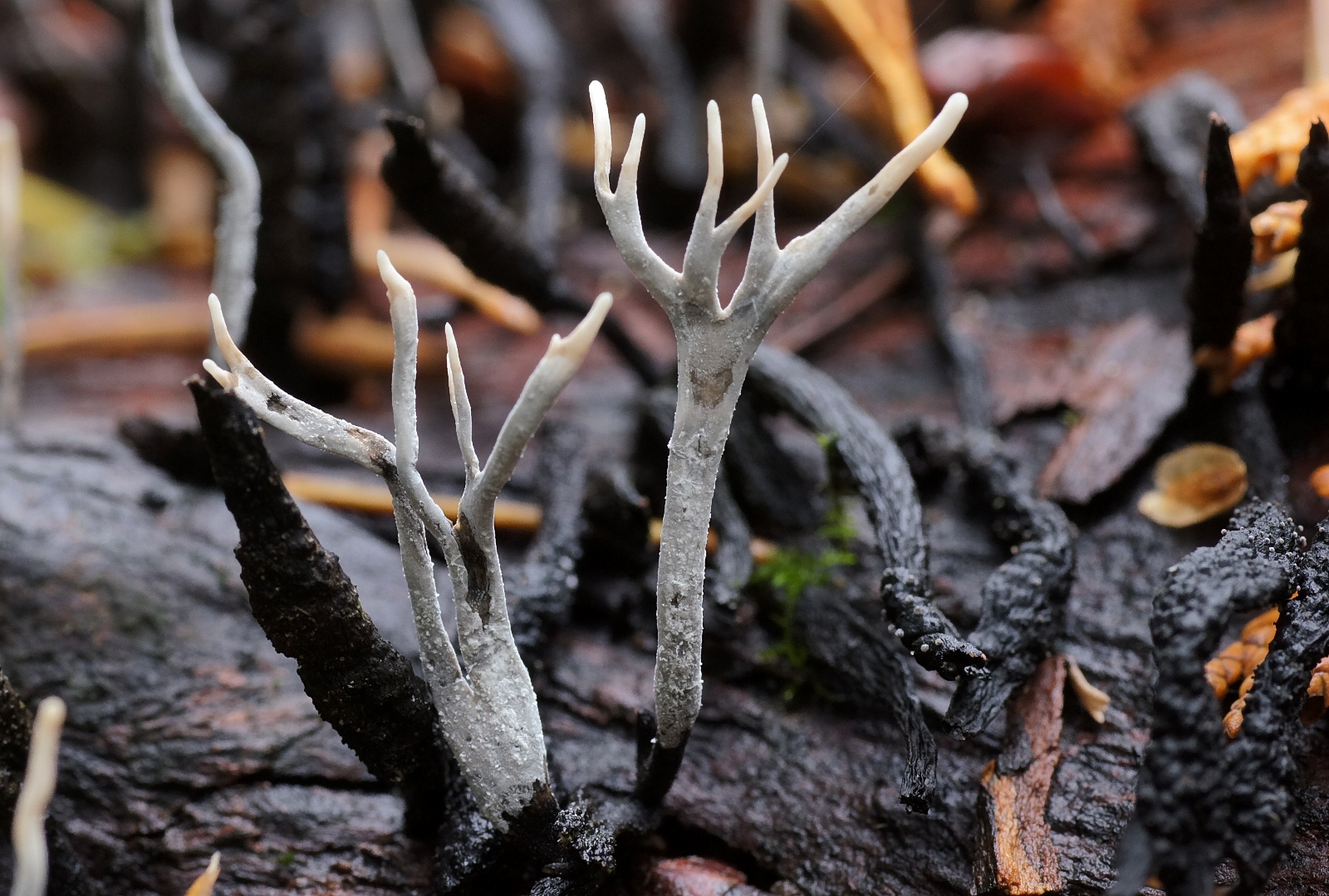
Carbon Antlers or Candlesnuff Fungus (Xylaria hypoxylon)
Sunday, December 19, 2010
Crypsis

Saturday, December 11, 2010
Orange Jelly

Friday, December 10, 2010
Mushrooms
 I decided that rather than share my lame guesses as to the id of the various mushrooms I encounter I will just leave them nameless until I locate a good, easy-to-use field guide and can feel a little more confident of my identification. This group was one of several having a slow feast on a huge fallen tree out at Thetis Lake Regional Park.
Tuesday, December 7, 2010
Mycena Genus
 I spent some time yesterday looking for a field guide for fungi, unsuccessfully. This morning I decided to see what resources are available online. I finally settled on a database program called "Matchmaker: Mushrooms of the Pacific Northwest." Fumbling my way through that I came up with a tentative id for the above mushrooms as members of the genus Mycena. I Googled that and checked out the images until I found one that matched and decided to call it quits for this time around. I suspect my identification of fungi will never be more than approximate or hopeful. There are many, many different kinds and often, precise identification involves spore prints and other activities that I prefer to avoid. That, however, is not going to stop me from mushrooming (defined by Mykoweb as "the pursuit of mushrooms") and continuing to try to identify what I find. I will welcome any suggestions.
Monday, December 6, 2010
Wonderful
 After yesterday's promise to try to identify the plants in my photos, I have to confess I have been unable to find out what this mushroom is called. I need to find some good field guides so if anyone has any suggestions, please let me know. As for the moss, I'm pretty sure we're looking at a species (one of the 350 or so) of sphagnum.
Sunday, December 5, 2010
Mosses and....

| I selected today's pair of rather junky photos to illustrate something I'm just beginning to realize: I usually ignore anything I don't "know" and since I don't "know" most of what's in the environment, I generally ignore most of what I see. I originally selected the photo above in order to write a little about moss because the forest around Thetis Lake is luxuriously coated with mosses. (When I took the photo I was thinking only about the stream, surrounded by some green and brown areas....) The closer I looked at that big glob of moss the more I realized that there were actually three or four different kinds of moss growing there, not just one moss. When I started to look more closely at some of the other photos I'd taken that day, like the one to the right, I realized it's not just a photo of some orange mushrooms. There are at least three kinds of moss, a green slimy fungus and four or more different kinds of lichen. Some, like the strange coral-like lichen in the upper right corner are even more interesting than the subject of the photo - that dramatic pair of orange mushrooms. So, while I can't promise to identify everything I photograph from now on, I'm going to try, since it is a good way of beginning to see clearly. How many of the plants in today's photos can you identify? |  |
Thursday, December 2, 2010
Celadon in Nature


Subscribe to:
Posts (Atom)
